
Friday, September 22, 2023

Tuesday, September 19, 2023
Simplified Guide to Selecting the Perfect Lawn Fertilizer
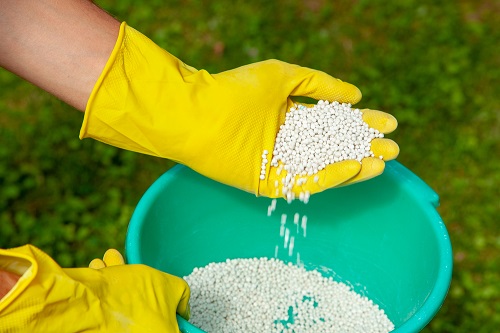
Finding the right lawn fertilizer can seem like navigating a maze of numbers and jargon. However, fear not! This straightforward guide will help you make sense of it all. From decoding the mysterious NPK ratio to deciding between granular and liquid options, this lawn care guide has you covered.
We’ll also explore the choices between synthetic and organic fertilizers, delve into specialty fertilizers, and outline when and how to apply them.
And if you’re looking for easy-to-follow recommendations, we’ve even included our top picks for the best lawn fertilizers.
Lawn Care: All About Fertilizers
Cracking the Code of Lawn Fertilizer Numbers
Each bag of lawn fertilizer displays three numbers like 10-10-10, 32-0-10, or 16-4-8. These numbers are known as the NPK ratio and hold the secret to selecting the most appropriate fertilizer for the lawn.
NPK stands for nitrogen (N), phosphorus (P), and potassium (K) – the three vital nutrients your grass needs. The numbers in the ratio tell you the percentage of each nutrient in the fertilizer. For instance, a 10-10-10 fertilizer contains 10% nitrogen, 10% phosphorus, and 10% potassium.
To figure out how much of each nutrient is in a bag of fertilizer, multiply the percentages by the bag’s weight.
Each nutrient serves a unique purpose:
- Nitrogen spurs rapid growth and imparts a lush, green appearance.
- Phosphorus supports robust root development.
- Potassium enhances resistance to diseases and overall plant health.

Choosing Between Granular and Liquid Fertilizer
The choice between granular and liquid fertilizer boils down to personal preference, with each having its own advantages:
Granular Fertilizer
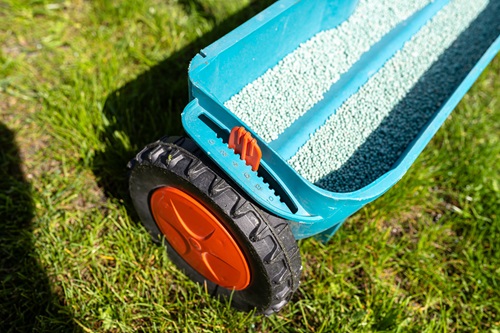
Granular fertilizers consist of tiny particles spread across your lawn using a fertilizer spreader. No need to mix with water. Most granular options are “slow-release fertilizers,” gradually providing nutrients to prevent over-fertilization.
Liquid Fertilizer
Liquid fertilizers come in various forms, including ready-to-spray bottles that attach to your garden hose, concentrated liquids you dilute before spraying, and water-soluble particles that transform into liquid when mixed with water.
Synthetic vs. Organic Lawn Fertilizer
For those concerned about the environment or pet safety, the choice between synthetic and organic lawn fertilizer becomes essential:
Synthetic Lawn Fertilizer
Synthetic fertilizers employ man-made chemicals for nutrient delivery. They offer potency and effectiveness.

Organic fertilizers use natural materials like manure, compost, bone meal, or seaweed to enrich your soil. They are eco-friendly and pet-safe.
Specialty Lawn Fertilizers
Certain lawns have distinct needs that standard fertilizers cannot address. Here are some specialized options:
Fertilizers for New Lawns
If you’ve recently sown grass seed or installed new sod, opt for a lawn starter fertilizer. Specifically designed for new grass, it emphasizes robust root development and minimizes nitrogen to prevent burning.
Weed-and-Feed Fertilizers
Many fertilizers include herbicides for weed control. Pre-emergent weed-and-feed fertilizers thwart common summer weeds like crabgrass, while post-emergent variants tackle existing weeds.
Seasonal Lawn Fertilizers
Certain fertilizers are formulated for specific times of the year. Ensure you select the appropriate product for each season to maintain a healthy and thriving lawn.
After selecting the right lawn fertilizer, it’s time to put it to use. The timing depends on your grass type. Once the fertilizer has worked its magic, your lawn will grow faster than ever. This means more frequent mowing, but it doesn’t have to consume your entire weekend.
Call Conner’s Lawn Care Service now if you need help in taking care of your lawn.
Conner’s Lawn Care Service
Myrtle Beach, SC
843-504-4901
http://connerslawncare.com/
Monday, September 11, 2023
Year-Round Lawn Care Made Simple

Maintaining a beautiful lawn is a year-round commitment, but don’t let that intimidate you. In this straightforward guide, we’ll walk you through the essential lawn care tasks for every season.
Whether you’re a seasoned gardener or new to lawn care, these easy-to-follow tips will help you keep your lawn healthy and vibrant. If the idea of tackling all this on your own seems overwhelming, don’t worry; professional lawn care services like Conners Lawn Care, recommended by Myrtle Beach Home Services, are here to help.
Year Round Lawn Care Tips
Fall (September, October, November)
Fall is the season to prepare your lawn for the winter ahead.
Fertilize: Give your cool-season grass a boost with the nutrients it needs to thrive during the dormant winter months. This promotes robust root growth.
Mow short: As late fall approaches, adjust your mower to cut your grass 1.5-2 inches shorter than usual. This simple step can prevent issues like snow mold and reduce the chances of fallen leaves matting down shorter grass.
Patch/seed: Repair any thin or bare areas on your lawn that may have developed during the summer. First, prepare the soil by removing dead grass and debris. Then, spread suitable grass seed and protect it with a thin layer of straw. Keep the newly seeded area consistently moist until the grass reaches about an inch in height.
Winter (December, January, February)
Though most lawns go dormant during winter, they still need some care.
Limit foot traffic: Avoid walking on your dormant lawn, as doing so can compact the soil and harm the grass. Also, refrain from parking vehicles or placing heavy objects on it.
Melt ice carefully: If your lawn is covered in ice, take care when de-icing it. Some ice-melting products are specifically designed for use on lawns. Avoid products like rock salt, which can damage your grass.
Spring (March, April, May)
Spring brings your lawn out of dormancy and into a period of rapid growth.
Clean up your yard: Start by raking up fallen leaves, dead grass, and debris. This clears the way for other essential tasks.

Maintain your mower: With winter over, it’s time to get your lawn mower ready for regular use. Sharpen the mower blades for clean cuts, replace the air filter, and check the spark plug. Ensure you have fresh gas to fuel your mower.
Aerate: Lawn aeration is a process that relieves soil compaction by creating holes in your lawn. This opens up pathways for water, air, and nutrients to reach the grassroots. Consider aerating your lawn at least once a year, or more if your lawn experiences heavy foot traffic or vehicle parking.
Core aerators, machines that remove soil cores about 2-3 inches deep, are recommended. Leave the soil cores on the surface to decompose naturally and enrich the soil.
Dethatch: Thatch is the layer of organic matter that accumulates between the soil and the growing grass. While a thin thatch layer can be beneficial by insulating grassroots and retaining moisture, a layer thicker than ½ inch can impede the flow of air, water, and nutrients.
In spring, check your lawn for excessive thatch by digging up a small section with a sharp spade. If you find more than ½ inch of thatch, use a dethatching rake to lift and break it up.
Fertilize: If you have cool-season grass, aim to fertilize in early spring; for warm-season grass, you can wait until mid-to-late spring. Fertilize when your grass enters its most active growth phase. Opt for a slow-release fertilizer for better long-term results.
While fast-release fertilizers provide quick growth, they can harm your lawn over time. If you prefer an organic approach, consider natural fertilizers like blood meal and guano. They may be more expensive but yield greener, thicker grass over time.
Apply pre-emergents: To prevent weeds like crabgrass from invading your lawn, apply pre-emergent herbicide when the soil reaches 58 degrees Fahrenheit.

Summer brings heat, which can be challenging for lawns. However, with some care, your lawn can thrive.
Mow grass high: Adjust your mower to its highest or second-highest setting during the summer months. Cutting your grass higher than usual promotes stronger, deeper grassroots, making your lawn more resilient against weeds. Follow the recommended height for your specific grass type, and avoid cutting more than one-third of the grass blade each time you mow.
Treatment for grubs: They are c-shaped larvae of Japanese beetles that can damage grassroots and create dead patches in your lawn if their population becomes excessive. To determine if you have a grub issue, dig up a square foot of sod and inspect the quantity. If you find fewer than 10 grubs, there’s no need to worry.
If the population exceeds this threshold, consider applying chemical treatment or organic solutions like beneficial nematodes or milky spores. Keep in mind that natural solutions may take longer to show results, probably up to three years.
Control weeds: Summer is the time to address any annual and perennial weeds that have sprouted. Use post-emergent herbicides, selecting either selective or non-selective products based on the type of weed you’re dealing with. Always follow the herbicide’s instructions carefully.
Talk To The Experts
Maintaining a lush, healthy lawn throughout the year doesn’t have to be complex. By following these simple seasonal Myrtle Beach lawn care guidelines, you can enjoy a vibrant lawn that enhances your outdoor space.
If you’re concerned about the workload, remember that professional lawn care services like Conners Lawn Care are available to assist with essential tasks such as aeration, fertilization, weed control, and grub control. Achieving a beautiful lawn is well within your reach!
Call Conner’s Lawn Care Service now and let our team take care of your lawn all year round.
Conner’s Lawn Care Service
Myrtle Beach, SC
843-504-4901
http://connerslawncare.com/
Wednesday, September 6, 2023
Fall/Winter Lawn Care Tips
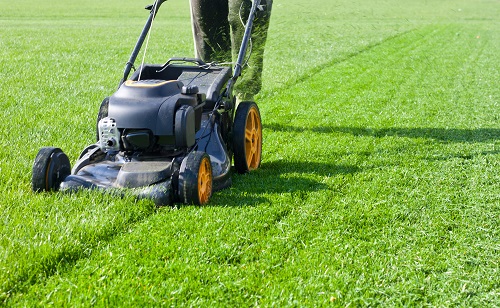
As summer ends and the weather cools down (hopefully), September is the perfect time to prepare your lawn for a lush and healthy next year. Winter lawn care involves three important steps: aerating the soil, adding compost and seeds to thin areas, and taking care of the grass. Here’s how to do it:
Lawn Care Preparation Tips For Winter
Step 1: Cut the Grass Short
Trim your grass down to 1 to 1½ inches. This makes it easier to aerate the soil and helps you figure out how much compost to use. If your grass is taller than 3 inches, cut it in small increments over a few mowings to avoid stressing the plants. This step is crucial for getting your lawn ready for winter.
Step 2: Aerate the Soil
Aerating is an essential part of preparing your lawn for winter. Do this on a day when the soil is moist, not too wet, as the aerator’s tines won’t work well in dry ground. Make a couple of passes around the lawn’s edges first, so you have room to turn the machine as you go back and forth over the rest of the lawn.
Step 3: Add Compost
Where the grass is thin, spread a half-inch layer of aged compost. Hold a shovelful of compost and sprinkle it evenly, then use a leaf rake to work it into the soil. Make sure your compost is dry, crumbly, and cool to the touch. If it smells and it’s hot, it’s not suitable for your lawn.

Use a rotary spreader to distribute the fertilizer and, if required, the pelletized lime. Fertilizers that are high in phosphorus are great for stimulating root growth, but follow the soil test’s recommendations for the best mix for your lawn.
Only open or close the spreader when it’s in motion to prevent over-fertilizing in one spot. Hire a lawn care expert if you’re not sure what to do.
Step 5: Plant More Grass
Fill the spreader with grass seed, but set it to distribute about two-thirds of what the bag recommends to account for overlapping passes. Spread the seed evenly over the compost.
Just like with fertilizing, open or close the hopper while the spreader is moving. For larger areas, you can save time by renting a power over seeder that slices the turf and plants the seeds, eliminating the need for the next step.
Step 6: Mix and Water
Use a leaf rake with its tines facing up to mix the seeds into the compost. Water lightly, 5 minutes at a time, two to three times a day, until the seeds sprout. Afterwards, water once a day for 15 to 30 minutes.
When the existing grass reaches 3 inches, mow it again and collect the clippings. After the leaves have fallen, trim the grass back to 1½ inches for its winter rest. Remember, you can always hire a Myrtle Beach lawn care professional to help you prepare your lawn before the cold season arrives.
Get started today and transform your lawn for the winter! Call Conner’s Lawn Care Service now.
Conner’s Lawn Care Service
Myrtle Beach, SC
843-504-4901
http://connerslawncare.com/
Friday, September 1, 2023
Bring Back Your Yard To Life With Easy Lawn Care Steps

If you’re staring at your lawn and feeling overwhelmed by its sorry state, don’t give up hope just yet. This lawn care guide will help you through a step-by-step process that will rescue your lawn and bring it back to life.
With a bit of patience, dedication, and the right techniques, you can transform your lawn into a lush, vibrant space that you’ll be proud of.
Step 1: Assess Your Lawn Thoroughly
Before you dive into the rescue mission, take a close look at your lawn. Rather than simply judging it by its current appearance, approach the assessment scientifically.
Define your objectives – Do you want an even surface, lush plant coverage, or specific grass types? Consider the kind of lawn you envision, whether it’s neatly manicured, family-friendly, or perfect for relaxation.
Make a checklist of issues you’ve noticed, such as uneven areas, thin grass, patches, moss, untidy edges, or unwanted weeds. Having a clear Myrtle Beach lawn care list will help you track your progress and set achievable goals.
Lawn Care Steps To Revive Your Yard
Step 2: Clear the Debris
Begin your lawn revival by decluttering. Remove any large items like furniture, toys, and fallen branches. If your lawn is plagued by broadleaved weeds, consider removing them manually. For tougher weed problems, seek advice from lawn care experts.
Scarify your lawn to eliminate dead leaves and moss that may be stifling your grass. Although your lawn might look worse temporarily after scarification, this process is akin to a deep clean that sets the stage for revitalization. With the debris removed, you’ll have a clearer view of what needs attention.
Step 3: Relieve Soil Compaction
Soil compaction can hinder healthy grass growth. To address this issue, employ aeration techniques to open up the soil structure. Use tools like hollow tine aerators to remove plugs of soil, allowing air, water, and nutrients to reach the grass roots.
Test the soil compaction by inserting a screwdriver or knitting needle into the ground – if it goes in easily, your lawn is less compacted. Relieving compaction encourages stronger root development, enhancing your lawn’s overall health.

Uneven surfaces not only disrupt the appearance of your lawn but also impact mowing and plant growth. Identify low spots using a spirit level placed on a broom handle.
Where needed, add soil to level the surface. For larger lumps, carefully cut an “H” shape in the grass, remove the excess soil, and reposition the turf. Leveling out your lawn will create a smoother and more visually appealing landscape.
Step 5: Overseed Bare Patches
If your lawn has bare patches where the soil is visible, overseeding is crucial to restore its lushness. Choose the right grass seed based on your climate and lawn use.
Overseeding will help fill in those gaps and promote healthier grass growth. It’s an essential step to ensure that your lawn regains its full coverage and density.
Step 6: Feed Your Lawn
Lawn grasses require regular nourishment to stay healthy and vibrant. Apply fertilizers as recommended to provide essential nutrients that the soil may lack.
Be cautious not to overfeed your lawn, as this can lead to scorching or damage. Proper feeding will strengthen your grass, making it more resilient to pests, diseases, and adverse weather conditions.
Step 7: Boost with Seaweed Treatments
Enhance your lawn’s vitality by using seaweed-based treatments. These treatments act like natural tonics, revitalizing your lawn’s overall health. Regular applications every 6-8 weeks can significantly improve the condition of your lawn, making it more robust and better equipped to withstand various challenges.
Step 8: Master the Art of Mowing
Proper mowing practices are crucial for maintaining a healthy lawn. Aim for consistency and follow the “1/3 rule” – never cut more than one-third of the grass blade’s height at a time.
Frequent mowing encourages healthy growth and ensures that your grass remains strong. Adjust your mower’s cutting height to around 5-8cm for a recovering lawn, gradually lowering it as your lawn becomes more robust.
Step 9: Embrace Patience
Reviving a lawn requires patience and dedication, and the team at Conner’s Lawn Care possesses these characteristics. While you’ll likely notice improvements after following these steps, achieving your desired lawn might take time. Even if you’re tempted to rush the process, remember that creating a perfect lawn is a gradual journey.
External factors like weather, nutrients, and grass type play a role in the outcome. Embrace the learning process, and take pride in each positive change you witness. With persistence, your efforts will lead to a beautiful and thriving lawn that you can enjoy for years to come.
Call Conner’s Lawn Care Service now and let our team help restore your lawn to its former glory.
Conner’s Lawn Care Service
Myrtle Beach, SC
843-504-4901
http://connerslawncare.com/
Tuesday, August 29, 2023
Easy Ways to Create Low Maintenance Landscaping Ideas

Lush landscapes are a dream, but they can also be a lot of work. Between watering, weeding, and mowing, it sometimes feels like your yard is a full-time job. But fear not! There are a few important landscaping tricks you need to know.
A low maintenance landscape is within your reach, and it doesn’t mean sacrificing beauty. Here are some tried-and-true North Myrtle Beach landscaping tips to keep your yard looking fantastic while saving you time and effort.
Landscaping Tips
Embrace Automatic Irrigation:
Say goodbye to dragging hoses around. Automatic irrigation systems are your landscape’s best friend. They take care of watering your plants with precision. Whether you’re home or away, your plants will stay hydrated and happy.
The Magic of Container Gardens:
Containers aren’t just pretty; they’re practical. Use high-quality potting soil like Watters Potting Soil to give your plants a health boost. You control water and sunlight, and pests are less likely to strike. Bring containers indoors during winter, and you won’t have to replant each spring.
Beat Erosion Before It Starts:
Prevent a future headache by tackling erosion early. Opt for plants that thrive on slopes, holding the soil tight and soaking up water. Creeping junipers and cotoneaster are your erosion-fighting allies.
Deer-Proof Your Yard:
Deer-resistant ground covers are a smart solution. Not only do they cut down on watering and mowing time, but they also deter deer. Plant sweet woodruff, creeping Mahonia, and lamb’s ear for a yard that’s beautiful and practical.
Champion Drought-Tolerant Perennials:
Annuals are lovely, but they demand lots of water. Drought-tolerant perennials are the real heroes. Plant them, especially in sun-drenched spots, and enjoy years of beauty with less effort.
Embrace the Art of Hardscaping:
Hardscaping is like the backbone of your landscape. Think patios, walkways, and fences. They demand way less care than plants. Swap out some grass for a paved courtyard to extend your living space and cut down on maintenance.

Dogs can take a toll on your yard, but you can make smart choices. Opt for grass that stands up to paw traffic, like Tall Fescue or clover. No more unsightly yellow stains!
Celebrate Ornamental Grass:
These beauties require minimal care while adding texture and height to your garden. From tall grass to Blue Fescue, there’s a variety for everyone.
Mighty Mulch:
Mulch is your landscape’s unsung hero. It keeps soil moist, suppresses weeds, and protects plants. A layer of mulch is like a shield for your garden.
Discover the World of Rock Gardens:
Drought-resistant plants + rocks = a match made in low-maintenance heaven. The rocks keep weeds at bay, and the plants need minimal care.
Choose Plant Partners Wisely:
Pair plants with similar water and sun needs. That way, you’re not playing matchmaker between your plants and your hose.
Tree Power:
Trees bring shade and beauty, but some are easier to manage. Opt for trees that don’t shed messy seeds or fruit. Dwarf trees such as Redbud or Purple Leaf Plum are a breeze to care for.
Go Xeriscape:
Why wrestle with a thirsty lawn? Xeriscaping replaces thirsty grass with native plants that need minimal water. It’s a win-win for you and the environment.
Loving your landscape doesn’t have to be a full-time job. These tips will help you create a low maintenance paradise that doesn’t skimp on beauty. And if you need a hand, we’re here for you. Call Conner’s Lawn Care Service today, and let’s transform your yard into an easy-care haven.
Conner’s Lawn Care Service
Myrtle Beach, SC
843-504-4901
http://connerslawncare.com/
Wednesday, August 23, 2023
Lawn Care: Overcoming Challenges for a Luscious Lawn
Imagine stepping onto a vibrant, healthy lawn that invites you to unwind and breathe in the freshest air. A well-maintained lawn offers more than just aesthetics; it’s a haven of relaxation and a boost to your overall well-being.
But let’s be real, maintaining that lush expanse of green isn’t always a walk in the park. Brown patches, pesky pests, and unwelcome weeds can put a damper on your dreams of a perfect lawn.
But fret not! With the right approach, these challenges can be conquered, ensuring your lawn thrives in all its glory. Let’s dive into the top five Myrtle Beach lawn care challenges you might face and discover how to tackle them head-on.
1. Weeds: Banishing the Unwanted Invaders
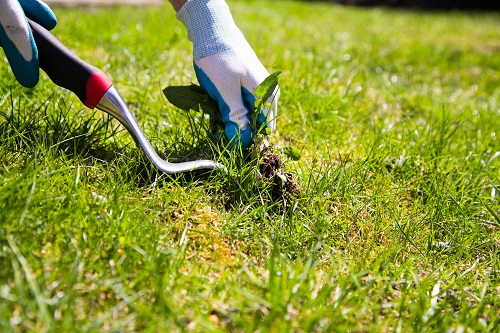
After a refreshing rainfall, you’d expect your lawn to radiate health and vitality. But if you find yourself wading through a sea of weeds, it’s time to take action. Weeds like crabgrass can not only ruin your lawn’s appearance but also lead to soil erosion.
Say goodbye to crabgrass by using corn gluten meal – a natural alternative to chemical herbicides. For other weeds, manual removal and proper fertilization can work wonders. Maintain a high mowing height to block sunlight from reaching weed seeds, leaving them no room to sprout.
2. Fungal Diseases: Safeguarding Your Lawn’s Health
Fungal diseases can cast a shadow on your lawn’s beauty and vigor. These pesky issues often stem from factors like overfertilization, incorrect soil pH, and excessive thatch. The best defense? A healthy lawn! And when fungal problems arise, seek guidance from lawn care experts who can diagnose and treat the issue effectively.
3. Thin or Patchy Grass: Unveiling the Root Cause
Sparse or uneven grass growth can be traced back to soil quality. DIY soil testing kits can provide insights, but for accurate results, consult local nurseries or professionals. Soil testing uncovers pH imbalances and nutrient deficiencies, allowing tailored solutions. Regular testing is a preventive measure that ensures a flourishing lawn.

Grubs, those sneaky beetle larvae, can wreak havoc on your lawn by devouring grass roots. Their presence attracts critters like raccoons and moles. Timely intervention is key. If grub density is high, consider treatment options based on expert advice. Preventive pest control measures, like using organic alternatives or insecticides, keep grubs at bay.
5. Erosion and Runoff: Conserving Water, Preventing Damage
Erosion and runoff can lead to water wastage, pollution, and landscape deterioration. Understanding your soil composition and landscape contours is crucial. Opt for mindful watering practices, especially if you have clay soil. Implement effective drainage solutions, such as paving stone walls and landscape design adjustments, to prevent erosion and runoff.
Seeking Expert Help: Your Path to a Flourishing Lawn
Remember, you’re not alone in this journey to a stunning lawn. When challenges seem overwhelming, seek professional assistance from Conner’s Lawn Care Service. Trained experts can diagnose issues accurately and recommend tailored solutions, ensuring your lawn thrives year-round.
From weeds to erosion, each challenge presents an opportunity to learn, adapt, and transform your lawn care approach. Armed with knowledge and the right tools, you’re well on your way to cultivating a breathtaking, healthy lawn that’s the envy of the neighborhood.
Ready to transform your lawn? Reach out to the professionals from Conner’s Lawn Care Service today!
Conner’s Lawn Care Service
Myrtle Beach, SC
843-504-4901
http://connerslawncare.com/
Subscribe to:
Posts (Atom)
Is Fertilizer Safe for Kids and Pets?
Many homeowners wonder whether fertilizers are safe for children and pets. Questions like “What if my pet eats fertilizer?” or “How soon c...
-
Lawn mowing can appear like a naturally easy lawn care task. But if you ask experts, there is a lot more than meets the eye when it comes...
-
As winter approaches, many homeowners assume that lawn care efforts must come to a halt. However, this isn’t entirely accurate. One valuab...
-
As the days get shorter and temperatures begin to drop, you might think that fall isn’t an ideal time for lawn care . However, this season ...


