Showing posts with label lawncareservicesinmyrtlebeach. Show all posts

Monday, August 14, 2023

Aynor SC Lawn Care and Landscaping


Aynor SC Lawn Care and Landscaping

landscaping-1-300x200.jpgAynor, a picturesque town in South Carolina, boasts of its Southern charm, expansive landscapes, and well-maintained lawns. Ensuring that these lawns and landscapes remain pristine requires the expertise of professional lawn care and landscaping services. This article delves into the key components that homeowners in Aynor should consider: mulching, weed control, fertilizing, and sod installation.

1. Mulching

Benefits:

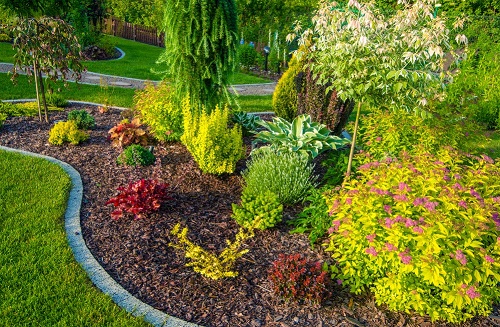
Mulching is an essential part of landscape maintenance. By covering the soil with a layer of organic or inorganic material, mulch:

  • Conserves soil moisture.
  • Suppresses weeds.
  • Regulates soil temperature.
  • Enhances soil health and structure.

Types of Mulch in Aynor, SC:

Organic mulches such as pine straw, wood chips, and leaves break down over time, enriching the soil with nutrients. In contrast, inorganic mulches, like stones or rubber, offer a more permanent solution but don’t enrich the soil.

Mulching Tips:

  • Choose the appropriate mulch for your plants and soil type.
  • Apply a 2-4 inch layer, ensuring not to suffocate plants or trees.
  • Refresh organic mulches annually or as they degrade.

2. Weed Control

Importance:

Weeds compete with desirable plants for nutrients, sunlight, and water. If not managed, they can quickly overrun a lawn or landscape.

Methods:

  • Pre-emergent herbicides: Applied before the weeds sprout, these prevent weed seeds from germinating.
  • Post-emergent herbicides: These target weeds that have already sprouted.
  • Manual removal: Pulling weeds out by hand or using tools ensures immediate removal.

Weed Control Tips:

  • Always read label instructions when using herbicides.
  • Rotate weed control methods to prevent weed resistance.

3. Fertilizing

lawn-care-4-300x196.jpgBenefits:

Fertilization provides plants and grass with essential nutrients they might not get from the soil, ensuring lush growth.

Types of Fertilizers:

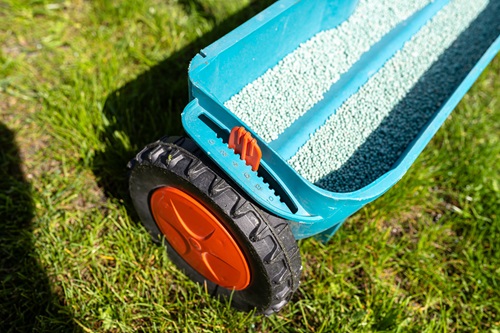
  • Granular: Slow-release fertilizers that nourish plants over time.
  • Liquid: Fast-acting, they offer immediate nutrients to plants.

Fertilizing Tips in Aynor:

  • Soil tests are crucial; they inform about the specific nutrients the soil lacks.
  • Over-fertilizing can harm plants, so always adhere to the recommended application rates.

4. Sod Installation

For those looking for an instant green lawn, sod is the answer. Sod is pre-grown grass that comes in rolls or squares, ready to be laid on prepared soil.

Benefits:

  • Immediate beautification of the landscape.
  • Prevents soil erosion.
  • Offers a weed-free start.

Sod Installation Tips:

  • Prepare the soil by tilling and leveling.
  • Ensure immediate watering post-installation to encourage root growth.
  • Avoid foot traffic on the sod for the first few weeks.

Need expert care that brings out the best in your landscape? Let Conner’s Lawn Care Service make that dream a reality! Our dedicated team combines local expertise with a passion for landscaping, ensuring your lawn gets the best care tailored to our unique South Carolina climate.

Conner’s Lawn Care Service
Myrtle Beach, SC
843-504-4901
http://connerslawncare.com/

Tuesday, January 24, 2023

How To Mulch Your Garden


Mulch is a garden product that gives flower beds, trees, shrubs, and other high-traffic areas a finished look. Mulch can also be used for many practical purposes, and can beautify your landscape. It can suppress weeds, maintain soil moisture, and moderate temperatures. You can use it with plastic or newspaper to smother grass and create new gardens. Additional benefits can be realized with organic mulches as they decompose. They improve soil structure by loosening clay-compacted soils. This improves drainage, which helps to retain and release nutrients in the soil. This will improve the overall health of your plants.

Mulch can be used in different areas of your yard depending on where it is being used. Mulch will be used differently in a backyard vegetable garden than in a front yard flower bed. We’ll show you which types of mulch work best in each area of your yard and what they are.

Types of mulch

There are both organic and inorganic mulches. You can use bark, shredded leaves or straw, hay, stone, gravel, black plastic, and straw as examples.

Before you get started

Learn about the various types of mulch available and how to use them. You will need to have a clear understanding of how the mulch should be used in your garden.

Bark is popular in the North for its high visibility areas. Bark can be purchased in small or large pieces, or as shredded mulch. You can also buy it in a variety of colors. It gives landscaping a finished look without compromising the aesthetics. Pine straw is a popular choice in the South due to its availability. Mulch serves a different purpose in the case of edible plants, even though we all want a neat, weed-free vegetable garden.

The best mulch type will depend on the area you intend to use it. Mulch’s ability to release nutrients from its decomposition is crucial if you want your landscape to be easy to maintain. Organic mulch is the best choice in this case. If are still unsure, contact an expert for professional lawn care services in Myrtle Beach.

How to Mulch Shrubs, Trees, and Flower Beds

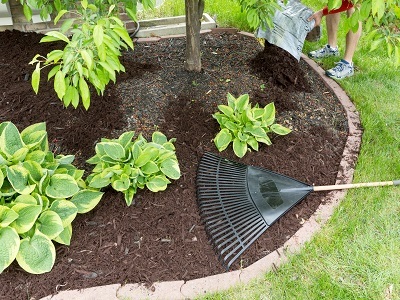
Mulch ornamental beds (trees and shrubs or flowers) should be visually appealing. It should also fulfill practical needs such as weed control. Many people answer this question with bark, which we will use here. There are three main types: cedar, pine bark, and hardwood. Our sample project uses pine, which is quite cost-effective.

Mulching should be done with aesthetics in mind. Spring is a popular time to mulch, whether it’s to cover a bed for the first or to replace an existing mulch layer. It’s time for a new load if an existing mulch layer has become so brittle that it’s difficult to tell where the soil ends and the mulch begins,

How to Mulch Vegetable Beds

You should use organic mulches to loosen the soil and suppress weeds in your vegetable garden. Black plastic mulch can be used to keep weeds under control, but it will need to be removed at the end. Straw can also be used to cover the soil in the fall. It will eventually become less dense and can be tilled down. Straw is also a cost-effective option for vegetable beds.

Make sure to prepare the bed

Use a steel garden rake to smoothen the soil and remove rocks.

Transport mulch

Straw bales can be heavy, cumbersome, and difficult to move. If you plan on using straw as mulch, you should find a partner to help move the bales to your garden. A wagon or wheelbarrow can be used to move the bales. Straw can be messy and stiff stalks can cause serious damage. To avoid dust and dirt when removing bales, it’s a good idea for you to use gloves and protect your eyes. If all of this is not within your comfort zone, hire professional lawn care services.

Spread mulch

The straw will often self-divide once the wire or baling string is removed. These are tightly packed sections of the bale that are easier to spread and handle. One hand holds a flake or straw, the other holding a handful of stalks. To suppress unwanted weeds, the mulch will work better if you layer the straw thicker.

Part straw to install transplants

Straw is easy and simple to move. It is possible to replace it once the transplant is in place, but you should avoid placing straw mulch too close to the base of your plant.

Call Conner’s Lawn Care Service today for professional lawn care services.

Conner’s Lawn Care Service
Myrtle Beach, SC
843-504-4901
http://connerslawncare.com/
Monday, January 16, 2023

Lawn Care Tips – Is Over-Fertilizing Possible?


Although lawn is not a crop, they may seem like one when it comes to fertilizers. Turfgrass is “harvested” when it’s mowed frequently, often weekly. You must replenish the soil nutrients after all the growth you cut. While fertilizing your lawn is essential for its health, there are also risks associated with over-fertilizing. For example, you could accidentally use too much fertilizer or the wrong fertilizer at the wrong time. Over-fertilizing your lawn can cause a variety of problems, and even lead to lawn death. Here are some lawn care tips that help avoid over-fertilization:

How fertilizer affects lawns

The three macronutrients that fertilizers contain are nitrogen, phosphorus, and potassium (N–P-K). Special lawn fertilizers have a higher nitrogen content than the other macronutrients because nitrogen is essential for turfgrass’s vibrant growth. The soil often has enough phosphorous (P), and potassium (K), so the fertilizers proportionately contain either very little or none of these nutrients.

The important role of soil tests

soil test is the best way to determine how fertile your lawn needs to be to sustain growth. All other information is guesswork that could cause you to fertilize your lawn too much.

A laboratory that specializes in soil testing can provide detailed recommendations on the nutrients to be added to your lawn. A soil test can also tell you if your pH level is right for turfgrass. This is important as soil pH affects how nutrients are distributed in the soil. It is recommended that you have your soil tested every 2 to 3 years. Sandy soil should be tested annually as it leaches nutrients faster.

There are many ways that lawns can be over-fertilized

The Incorrect fertilizer

Lawns require fertilizer high in nitrogen (N), indicated by N being the highest and lowest numbers for phosphorus and potassium. Common N-P-K ratios for lawn fertilizers are 3:1:2 and 4:1:2.2. A balanced or complete fertilizer that contains all three macronutrients in equal quantities (e.g., 10-10-10) is not recommended for lawns. It will result in over-fertilization of phosphorus and potassium as well as a deficiency of nitrogen.

Too much fertilizer

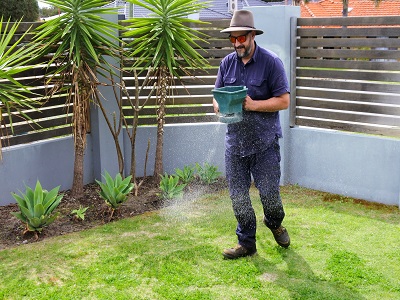
Slow-release or controlled-release fertilizers are recommended for lawns. This provides grass with small amounts of nutrients over a longer time. Over-fertilization can still occur if you apply too much fertilizer to your lawn. This is because you have not measured the lawn correctly and calculated the correct amount of fertilizer. Don’t fill your spreader onto the lawn as you could accidentally spill too much fertilizer.

Fertilizing too often

The recommended lawn fertilizer is slow-release and should not be applied more than three times per year.

Fertilizer buildup

Fertilizers can build up in heavy soils with poor drainage. To prevent fertilizer over-fertilization, a soil test is required.

Signs that your lawn is over-fertilized

lawn-care-services-300x225.jpgOver-fertilizing can cause a crusty residue in the soil. This can be remedied by watering the soil after you have scratched it with a rake. Other signs that your lawn is over-fertilized are more serious and last longer.

The consequences of over-fertilized lawns

Fertilization can cause more harm than is apparent to the naked eye. Lawn fertilizer is also a major source of nitrogen pollution. Excess nitrogen seeps into groundwater and eventually ends up in rivers and streams. Fast-growing algal species, such as toxic red tide algae, are also fed by nitrogen. These harmful plants outcompete slower-growing ones. The death of plants can cause a lack of oxygen in the water, which can have devastating effects on fish and marine life.

Fixing over-fertilized lawn

It is possible to correct the problem if you realize you have over-fertilized. It doesn’t matter how severe the problem is, there are many ways to fix it. You can take immediate action by watering your lawn and removing any excess fertilizer. Sometimes, it is better to wait until all the fertilizer has evaporated. Worst case, you may need to reseed areas where grass has been damaged by fertilizer burn. It is recommended to get lawn care services if you aren’t too familiar with fertilizing soil in general.

Fertilizing your lawn is definitely not rocket science but it isn’t the simplest thing to do. To avoid over-fertilizing your lawn, let an expert to it. Call Conner’s Lawn Care Service today for professional lawn care services.

Conner’s Lawn Care Service
Myrtle Beach, SC
843-504-4901
http://connerslawncare.com/
Is Fertilizer Safe for Kids and Pets?

Many homeowners wonder whether  fertilizers  are safe for children and pets. Questions like “What if my pet eats fertilizer?” or “How soon c...