Showing posts with label weedcontrol. Show all posts

Friday, July 12, 2024

Summer Weed Control Tips for Your Lawn


Whether you are an avid gardener or a homeowner, weeds can quickly become your yard’s worst enemy. Despite your best efforts, these persistent plants often find their way back, consuming time and resources that could be better spent elsewhere. Fortunately, we’ve compiled some effective summer weed control tips to help you keep your lawn pristine and weed-free this season.

Weed Control Tips

Start Early: Pre-Emergent Herbicides

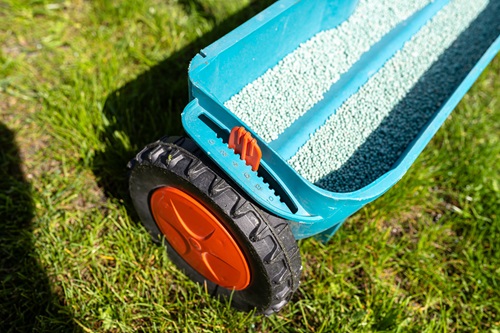
To begin with, getting a head start on weed control in Conway SC is crucial. Weeds are annual plants that disperse their seeds in the fall and then die. These seeds remain dormant in the soil until spring, when they germinate. By applying pre-emergent herbicides, you can prevent these seeds from germinating, effectively nipping the problem in the bud. However, it’s important to note that this method only works on seeds, not mature plants.

Maintain a Healthy Lawn

Moreover, a healthy, thick lawn is one of the best defenses against weeds. Weeds require sunlight and warm temperatures to germinate. Therefore, if your lawn has bare spots and is thin, it provides the perfect conditions for weeds to thrive. Following a regular watering and fertilization schedule can help cultivate a lush lawn. A dense carpet of grass stops sunlight from getting to the soil, which prevents weed seeds from germinating.

mulching-300x200.jpgUse Mulch in Flower Beds

Additionally, to keep weeds out of your flower beds and around trees, consider applying a few inches of mulch. Mulch blocks sunlight, thus preventing weed seeds from establishing themselves. Incorporating a drip irrigation system can further enhance this method by delivering water directly to your plants, rather than the surrounding weeds.

Water Wisely: Target the Plants, Not the Weeds

Watering is essential for plant growth, but traditional sprinklers often water both your plants and the weeds. Instead, targeted watering methods can help reduce weed growth. Here are a few techniques:

Drip Irrigation: This method involves running a hose through your garden with holes punched at intervals to water only the plants. You can either make these systems yourself or purchase them online.

Flower Pot Method: Place a clay flower pot without holes in your garden, burying it so only a few inches stick up. Plant your vegetables around the pot. Fill the pot with water, which will slowly seep through the clay, hydrating your plants but not the weeds.

Bucket Method: Similar to the flower pot method, use a 5-gallon bucket with holes drilled around the bottom. Cover the bucket to prevent mosquitoes from laying eggs in the water.

Consider Professional Help

Finally, maintaining a weed-free lawn can be a demanding task. If you find yourself overwhelmed, it might be time to call in the professionals. Lawn care experts in Conway SC can offer tailored weed control programs to keep your lawn looking its best throughout the year.

Effective weed control involves a combination of early intervention, maintaining lawn health, strategic mulching, and targeted watering. By implementing these strategies and hiring experts like Conner’s Lawn Care Service, you can enjoy a beautiful, weed-free lawn all summer long.

Ready to tackle those weeds? Contact Conner’s Lawn Care Service today for more tips and professional weed control and lawn care services!

Conner’s Lawn Care Service
Myrtle Beach, SC
843-504-4901
http://connerslawncare.com/

Tuesday, May 28, 2024

Effective Weed Control Tips for a Beautiful Lawn and Garden


Maintaining a lush, beautiful lawn and garden requires consistent effort, especially when it comes to controlling weeds. These pesky invaders not only mar the appearance of your outdoor space but also compete with your plants for nutrients, water, and sunlight. Moreover, effective weed control involves a combination of preventive measures and active removal strategies. In this blog, we’ll explore some essential tips to help you keep your lawn and garden weed-free.

Understanding Weeds

Firstly, it’s important to understand that weeds are simply plants growing in places where they are not wanted. Furthermore, they can be classified into three main types: broadleaf weeds, grassy weeds, and sedges. Knowing what type of weed you’re dealing with can help you choose the most effective control method. Additionally, weeds can spread quickly through seeds, roots, or runners, making early intervention crucial.

Preventive Measures

So, how can you prevent weeds from taking over your lawn and garden? Here are some preventive measures:

Healthy Lawn Maintenance: A thick, healthy lawn is your first line of defense against weeds. Moreover, mowing your lawn regularly at the correct height promotes dense grass growth that crowds out weeds. Additionally, ensure your lawn receives adequate water and nutrients.

Mulching: Adding a layer of mulch in your garden beds helps suppress weed growth by blocking sunlight. Furthermore, mulch retains soil moisture and adds organic matter as it decomposes.

Soil Improvement: Healthy soil fosters robust plant growth, which can outcompete weeds. Regularly amend your soil with compost and organic matter to improve its structure and fertility.

Proper Plant Spacing: Planting your flowers and vegetables closely together can shade the soil, reducing the chances of weed seeds germinating. Likewise, ground covers can be used to fill in bare spots and prevent weed establishment.

weed-control-2-300x225.jpgActive Weed Control Methods

Despite your best efforts, weeds can still find their way into your garden. Therefore, having a strategy for active weed control is essential. Here are some effective methods:

HAND WEEDING:

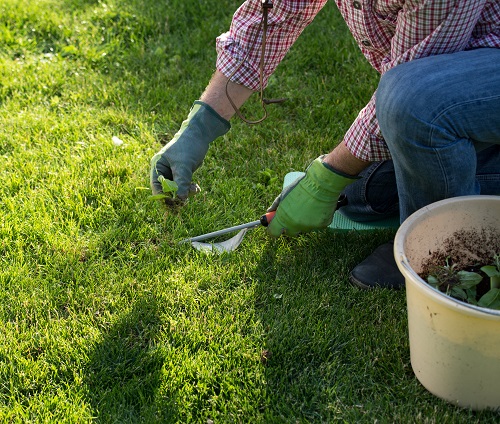
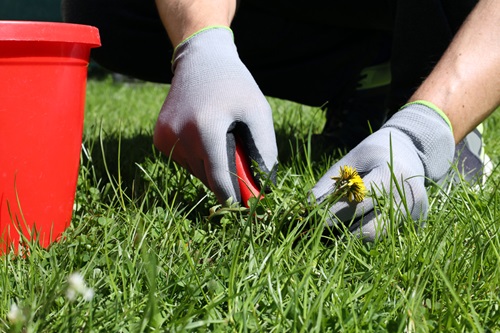
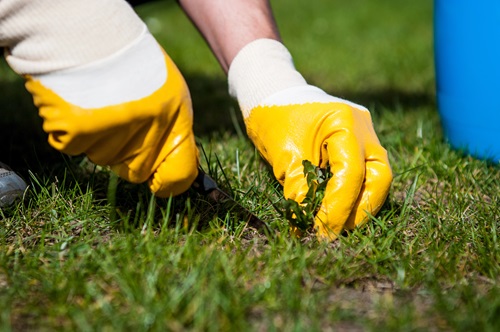
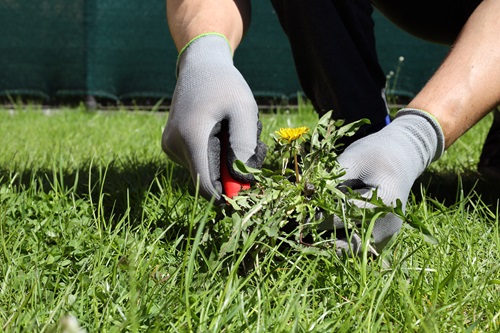
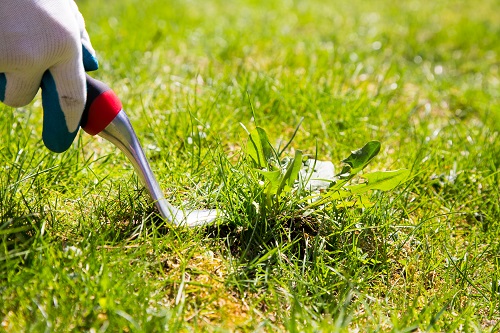
Pulling weeds by hand is a simple and effective method, especially for small gardens. Make sure to remove the entire root to prevent regrowth. It’s easier to pull weeds after rain when the soil is moist.

HOEING:

Using a hoe to cut weeds off just below the soil surface is another effective method. This is particularly useful for larger areas. Regular hoeing can prevent weeds from becoming established.

WEED BARRIERS:

Installing landscape fabric or plastic sheeting under mulch can provide an additional layer of protection. These barriers prevent weed seeds from accessing the soil.

HERBICIDES:

While chemical herbicides can be effective, they should be used as a last resort due to potential environmental and health risks. Selective herbicides target specific weeds without harming desired plants, whereas non-selective herbicides kill any plant they come into contact with. Always follow the manufacturer’s instructions carefully.

NATURAL ALTERNATIVES:

Vinegar, boiling water, and corn gluten meal are some natural alternatives that can help control weeds. While these methods may not be as effective as chemical herbicides, they are safer for the environment.

Timing is Everything

So, when is the best time to tackle weeds? The answer is early and often. Here are some timing tips:

  • Early Spring: Applying pre-emergent herbicides in early spring can prevent weed seeds from germinating. Additionally, this is a good time to pull any young weeds before they become established.
  • After Rain: As mentioned earlier, it’s easier to pull weeds when the soil is moist. Plan your weeding sessions for the day after a good rain.
  • Regular Maintenance: Make weeding a regular part of your lawn care routine. Spending a few minutes each week pulling weeds can prevent them from becoming a bigger problem.

Maintaining a weed-free lawn and garden requires a combination of preventive measures and active control methods. By understanding the types of weeds you’re dealing with and implementing these tips, you can enjoy a beautiful, healthy outdoor space. Additionally, regular lawn maintenance in Conway and timely intervention are key to keeping weeds at bay.

Are you ready to take control of your garden? Start implementing these weed control tips today and enjoy a lush, beautiful lawn and garden all season long! Call Conner’s Lawn Care Service now. 

Conner’s Lawn Care Service
Myrtle Beach, SC
843-504-4901
http://connerslawncare.com/
Tuesday, April 23, 2024

Effective Strategies for Weed Control in Your Yard


We all dream of having a backyard oasis, where we can relax and enjoy the lush, green grass beneath our feet. However, pesky weeds like ivy, clovers, and dandelions often intrude on this vision, spoiling the pristine landscape. But fear not! With the right approach, you can banish these unwanted guests and restore your lawn to its former glory. Here’s how to tackle weed control in your yard:

Understanding the Weed Problem:

Dealing with a yard overrun by weeds can feel overwhelming, but it’s essential to focus on improving the overall health of your turf. This involves implementing proper lawn care practices, such as regular mulching and maintenance routines.

Strategies for Permanent Weed Removal:

Weeds may seem like unstoppable invaders, but they can be effectively managed with the right approach. By creating unfavorable conditions for weed growth, you can prevent them from taking over your lawn. Avoid low mowing heights, address soil compaction issues, and ensure adequate watering to discourage weed proliferation.

Utilizing Herbicides for Weed Control:

Herbicides are potent tools for combating weeds, offering both pre-emergent and post-emergent options. These products are formulated to target specific types of weeds, such as crabgrass or dandelions, without harming your grass. When used according to instructions, herbicides can effectively eliminate weeds and restore your lawn’s health.

weed-control-2-300x225.jpgNatural Weed Control Methods:

For those seeking eco-friendly alternatives, natural weed control methods can be highly effective, albeit requiring more time and effort. Vinegar, for example, can be used to kill weeds by spraying it directly onto the foliage. Look for vinegar with a high concentration of acetic acid for optimal results.

Implementing a Weed Control Plan:

To effectively manage weeds in your yard, it’s essential to follow a comprehensive lawn care plan. Start by identifying the types of weeds present and selecting appropriate treatments based on their stage of growth. Follow product instructions carefully and maintain a consistent lawn maintenance schedule to keep weeds at bay.

Can Weeds be Controlled Naturally?

Yes, natural weed control methods can be effective, although they may require more patience and diligence. Spraying vinegar directly onto weeds is a simple yet powerful way to eliminate them. However, for larger infestations, it’s advisable to use safer, more potent herbicides.

Ready to reclaim your yard from pesky weeds? Contact professional lawn care services in Conway SC today for expert assistance with weed control, mowing, mulching, and more. With the right approach, you can enjoy a lush, healthy lawn that’s free from unsightly weeds.

Call Conner’s Lawn Care Service now. Let our team of experts help you take care of your lawn. From weed control to lawn maintenance, we can help.

Conner’s Lawn Care Service
Myrtle Beach, SC
843-504-4901
http://connerslawncare.com/

Tuesday, July 25, 2023

Mastering Weed Control in Simple Steps – A Guide to Lawn Care


Every year, as spring arrives, our lawns and garden come to life as vibrant, living organisms. Whether you’re a seasoned gardener or a beginner, understanding how to care for your lawn is vital to ensure its health, longevity, and appearance. This includes weed control.

This comprehensive lawn care North Myrtle Beach guide presents seven essential steps to effectively control weeds and maintain a lush, thriving lawn.

Weed Control Tips

Embrace a Comprehensive Approach:

Weed management is not a single isolated task. The most effective strategy involves a combination of techniques that work together to combat weeds.

Partner with Conner’s Lawn Care or any professional lawn care company to create a cohesive weed management plan tailored to your lawn’s specific needs. Such a plan should include targeted herbicide applications, manual weed removal, proper mowing practices, and encouraging healthy turf growth.

Start Mowing Early and Regularly:

Your lawn should have been mowed at least once or twice by the beginning of May. However, simply mowing once is not enough.

Frequent mowing every five days throughout spring encourages turf grass growth, making it harder for weeds to establish strong roots in your lawn. By keeping your lawn properly trimmed, you can create a dense, healthy carpet of grass, leaving little room for weeds to take root and thrive.

Bag Those Clippings:

If weeds have already taken root in your lawn, mowing with a bag attachment becomes crucial. When weeds are in flower, their seeds can disperse around your yard through the cut grass clippings.

By bagging the clippings during this period, you prevent the spread of weed seeds and inhibit further weed growth. As your lawn improves and becomes healthier with fewer weeds, you can resume mulching to return valuable nutrients to the soil.

Mow More Often:

Beyond just regular mowing, increasing the frequency of your mowing offers three crucial benefits. Firstly, frequent mowing stimulates turf grass growth, encouraging it to spread and tiller, resulting in a thicker lawn that leaves less room for weeds to invade.

weed-control-2-300x199.jpgSecondly, by regularly mowing, you prevent common weed flowers from maturing and producing seeds, which would otherwise lead to a surge in weed growth. Thirdly, consistently mowing prevents weed plants from becoming strong and well-established, as they never get the chance to fully mature before being cut.

Mow at the Right Height:

Healthy lawns in the Myrtle Beach area typically consist of Kentucky Bluegrass, Perennial Rye-grass, and some fescues. To ensure optimal health, maintain your lawn at an ideal height of 2.75″-3″, approximately the height of a business card. Scalping your lawn by cutting it too short weakens the roots and makes it more susceptible to weed growth, so raising the mower to the proper height is essential.

Fertilize and Improve Soil:

Proper nutrition is vital for a healthy lawn. Use slow-release fertilizers and soil invigorators to provide the essential nutrients your grass and soil need. Well-fertilized lawns have been shown to reduce weed growth by up to 90% in just two years.

Avoid cheap, high-nitrogen fertilizers that lead to rapid growth and environmental harm. Building soil health with organic matter and beneficial microbial activity further enhances your lawn’s resilience against weeds.

Water Wisely:

Consistent watering is crucial for a healthy lawn. Aim to water your lawn with at least 1″ of water per week. Water deeply and infrequently to encourage deep root growth, making your lawn more resilient during dry spells.

Keep in mind that local weather conditions can vary, so pay attention to the needs of your lawn and make adjustments accordingly. If you have an automatic sprinkler system, learn how to adjust it to provide proper watering based on your lawn’s specific requirements.

If you find lawn care overwhelming, don’t hesitate to seek professional help. Conner’s Lawn Care are here to assist you with tailored nutrition and soil programs, weed control, pest management, and lawn repair for your home or business. With these steps, your weed-free, lush lawn is well within reach!

Conner’s Lawn Care Service
Myrtle Beach, SC
843-504-4901
http://connerslawncare.com/
Friday, April 28, 2023

Spring Pests Prevention And Weed Control For Your Landscape


Weeds are the bane for every gardener. The second most common problem is pests. Weeds are another common problem that can be a real headache. It feels like a constant battle and takes away the fun of playing in the garden. We are here to let you know that there is an answer! For weed control and pest prevention to taking control of your landscape, you need to be ahead of the game. You ask, “How?” Learn how to prevent weeds from growing in your spring landscape using some tried and tested methods.

Weed Control

It is time to begin Myrtle Beach weed control today. The earlier you get rid of weeds the better. Spring is the best time to tackle weed prevention in your landscape. We’re talking about the usual suspects, including dandelions and chickweed. Here are a few ideas to get you going:

Once your garden has been established, you should temper your tilling. You can’t avoid it. Weed seeds can be sneaky, little bugs that prefer to lay dormant under the surface of soil. When they are brought closer to the surface of the soil it encourages their germination and spread.

Plant your Flowers Closer Together. Weeds love large, open spaces that are sunny. Planting your flowers closer together will give weeds less space to spread and take over. You’ll want to still follow the recommended planting distances, but by sticking your plants close together, you can take away valuable real estate from weeds.

Mulch is a great way to smother weeds and prevent them from taking over the landscape. By applying a thick layer of mulch (2 inches or more), you can smother weeds. This will also make it less inviting for weed seeds that you might have brought up to the surface. Mulch can be a good alternative to landscape fabric that is not organic. It will break down over time and improve the soil.

Just like other plants, weeds can’t live without water. It can be tempting just to turn on the sprinkler and water your garden in one go, but this will give thirsty plants what they need to overtake. Consider using a soaker-hose that will only water your plants where they need it.

Spring Pests: How to Prevent Them from Invading Your Home

Keep unwanted garden insects at bay by weeding early. Start by cleaning everything in your shed, especially any pots and planters that you intend to reuse. This will prevent any plant diseases that are recurring from appearing. Your soil will also benefit from some attention. Your plants will be more susceptible to pests if your soil is unhealthy and weak. Now is the perfect time to spread that compost you have been working on. Rotating your vegetables every year can also reduce pests.

weed-control-3-300x200.jpgHow to prevent weeds in your rock landscapes using natural methods

A newly laid out stone border in a stone patio or garden is a very satisfying sight. It looks so fresh and clean. It is not as satisfying to have to remove weeds from the cracks in those stones after a few months. You can tackle the weeds that grow in these rock landscapes with a variety of methods.

Sufficiently Sloped Patios: Weeds require moisture to thrive, and patios with a poor slope are more likely to retain moisture. A properly sloped patio, on the other hand, will promote proper drainage. It can be difficult for you to do this on your own but the effort is worth it. Our lawn care experts will be happy to visit your home to assess the problem and offer solutions.

Sweep regularly: This simple, but effective technique will help you to prevent weeds. Regularly sweeping your patio or driveway stones will reduce the chance of seedlings settling and disrupting new weed seeds.

Have you noticed that unwanted bugs are growing between stones? Here are some natural ways to get rid of weeds that have popped up between stones.

Baking soda is a kitchen staple that works best in spring or fall when weeds grow quickly. Baking soda will adhere better to weeds after rain. You can sprinkle baking soda on the weeds and then sweep the mixture into the cracks. Baking soda will draw out the moisture of the plant and kill it. Keep it away from flowers and grassy areas, as it can have the same effect on all types of foliage.

weed-control-2-300x200.jpgVinegar is an alternative to baking soda that can be used to kill weeds growing between stones on a patio, in cracks in driveway pavement, or along rock borders. White vinegar is usually found in most households. Pour some into a sprayer and spray it between the cracks of your rock landscape. After it has worked its magic for a few hours, return to the area and rinse off. Just be careful not to spray nearby flowers.

Boiling water: This is a simple and affordable solution. Boiling Water destroys the cell structure of a plant. You will need to be careful when applying baking soda and vinegar to prevent killing your plant babies. Use a teakettle with a spout to direct the water where you need it. Pour the water generously but slowly onto the weeds. Some weeds, especially the tougher ones, may require more than one application. Overall, however, it should work!

Keep Your Lawn Weed-Free

It is important to stop weeds before they grow and become a problem.

Synthetic herbicides are available in three different types: selective herbicides (selective, non-selective, and preemergent). Selective herbicides can be used on lawns. Just make sure to read the label. Pre-emergents and non-selective herbs are safe for lawns, but not non-selective ones. Here’s a bit more information about them. Use them with caution around children and pets, especially, because they contain powerful chemicals.

Lawn Care

Weeds will most likely appear when your lawn does not feel its best, but a little TLC goes a long way. It is important to water your lawn regularly, but not too often. This will encourage the growth of deeper roots. By mowing at the correct height (normally the highest setting on your lawnmower), you can encourage your grass to grow thicker, making it more difficult for weeds to germinate. Fertilizing your lawn every six to eight week during the growing period will give it strength to fight those pesky weeds.

Pests and weeds are a nuisance, but if you take the right steps early in the growing season, it will make your gardening life easier. Call Conner’s Lawn Care Service now.

Conner’s Lawn Care Service
Myrtle Beach, SC
843-504-4901
http://connerslawncare.com/
Wednesday, November 9, 2022

Weed Control Using Pre-Emergent Herbicides


If you’ve been dealing with weeds in your lawn since last year, then you may have forgotten one extremely important ingredient in your lawn care when it comes to the battle against weeds – and that’s the application of pre-emergent for weed control.

It’s not good to think that you can totally get rid of weeds with just one application or perhaps a cultural approach to anything. There’s no such thing as a silver bullet when it comes to weed control or elimination. An efficient lawn care program will adjust to the requirements of the property on an annual or seasonal basis.

Timing is Important in Weed Control

All the weeds have a survival method and can’t be totally removed because they have different reproduction methods and life cycles. Seeds could lay dormant for several years before they start to grow, continuing to exist despite fire and drought, as well as herbicide application. Even if you were to totally clear out your lawn with seeds, vegetative propagules and seeds could easily be moved back to the property by water, wind, human, or animal activity.

Another important tool when it comes to effective weed management is pre-emergent herbicides. However, the right timing of the application is important but can also be tricky.

How Does It Control Weeds?

Pre-emergent targets weeds that haven’t emerged from the soil yet. To get the best results and avoid wasting labor costs and time, later on, weeds must not be seen above ground during their application. Weed control is a continuous process. You’ll always find weed seeds beneath your lawn’s surface and a few of those seeds would grow every year. Yearly applications are required to cut back the large weed infestations. So, in case you have not been following a schedule or a plan for a pre-emergent application in your lawn care Myrtle Beach routine, then you may feel like you are just fighting a losing battle against these annoying weeds.

Proper Mixing Is Crucial

Pre-emergent herbicides should be correctly mixed so that the spray solution would have the right strength. You can compare pre-emergent to a blanket – you have to cover the whole area through which the seeds can’t germinate. Spot spraying will achieve little to almost nothing because there’s too much available space for the weeds to grow.

Water In Your Pre-Emergent

Pre-emergent will activate the herbicide through watering. It creates a barrier below your lawn’s surface. The majority of the products call for at least ½ inch of rain or irrigation within 21 days after application. In case you are working with a drip zone or non-irrigated area, add the pre-emergent before the rainy season comes.

Now is the perfect time to be adding a pre-emergent to your lawn. However, as previously mentioned, mixing the appropriate pre-emergent for your lawn is important, plus the coverage is crucial as well.

Call Conner’s Lawn Care Service if you need professional help in getting rid of weeds from your lawn.

Like our Facebook page for more great info about lawn maintenance.

Conner’s Lawn Care Service
Myrtle Beach, SC
843-504-4901
http://connerslawncare.com/

Is Fertilizer Safe for Kids and Pets?

Many homeowners wonder whether  fertilizers  are safe for children and pets. Questions like “What if my pet eats fertilizer?” or “How soon c...