Thursday, May 18, 2023

Simple Steps to Spring Lawn Maintenance


The first crocuses, daffodils, and other spring flowers are a sign that the season is approaching. These early signs will also let you know that it is time to prepare your lawn. Here are some lawn care tips you need to know.

When to start your lawn-care tasks will depend on the weather in your area. Start your lawn care tasks when the snow is gone. Start your yard work as soon as the forsythia or lilac plants bloom in your area.

In most areas, homeowners should perform certain tasks in the spring in order to maintain healthy grass for the remainder of the year. Create a list of these steps and you will be on your way to a healthy lawn.

Spring Lawn Care Steps

Rake Gently

Raking your lawn is the best way to prepare it for new growth. An early spring raking will remove any thatch deeper than half an inch. You may have some fallen leaves lying on the ground.

Aerate if Necessary

Compaction of soil can occur if your lawn is subjected to heavy traffic such as running or playing in the same area.

The lawn aerator makes holes in the turf to allow air and water to reach the roots. Rent a lawn aerator from a large hardware store or use a hand aerator if your lawn is small.

Aerating the lawn in the spring is not ideal, but it may be necessary. Aerating the lawn in spring may be required if the soil is so compacted that the grass cannot grow.

Assess the soil

A moss-covered ground is another sign of acidic soil. The pH scale is used to measure the acidity or alkalinity in soil, with 7 being neutral. Alkaline soils are higher than 7 while acidic soils fall below 7.

Send a sample of soil to your local cooperative office for testing to determine the acidity. They offer free scientific assistance in agriculture, gardening, and other fields of expertise. You can find out how much lime you need per square foot by calling, checking their website, or visiting your local extension office. To apply the lime, you will need to use a fertilizer spreader.

Overseed

If your lawn has bare patches, it may be necessary to apply grass seed. This can be done due to dog spots or heavy traffic. Overseeding involves sowing grass seed over the existing grass. When you overseed, apply a nitrogen fertilizer with a slow release (starter fertilizer). Keep the seed moist up until it sprouts and starts to grow. After the grass has sprouted and germinated for five weeks, you can start a regular fertilization schedule using nitrogen fertilizer with quick release.

You can apply the seed to only the visible patches of bare ground, but it’s also common to overseed your entire lawn in order to keep the grass thick and healthy. It is also a good way to introduce different varieties of grass seeds into your lawn. If you have recently lost a few shade trees, for example, an overseeding of a sunny grass mix could help your previously shady yard continue to thrive.

lawn-care-2-2-300x200.jpgFertilize

Organic fertilization of lawns is possible by using mulching mowers to turn grass clippings into nitrogen-rich sources. ScottsMiracle-Gro offers a schedule of fertilizing lawns with a chemical fertilizer that is widely accepted.

Many experts suggest a lighter fertilization in the spring and a heavier feeding in late fall. If you fertilize in the spring, it can cause weeds and disease. However, if your lawn was fertilized in the fall, there is still fertilizer for spring.

Apply pre-emergent herbicides

Spring lawn care in Myrtle Beach for those who want weed-free grass is just as much about weed control as it is about encouraging healthy lawn growth. All lawn weeds are not eliminated in the same way. You will either use a pre-emergent or post-emergent weed killer depending on whether the weed is an annual or perennial.

Use Post-Emergent Herbicides or Pull Spring Weeds

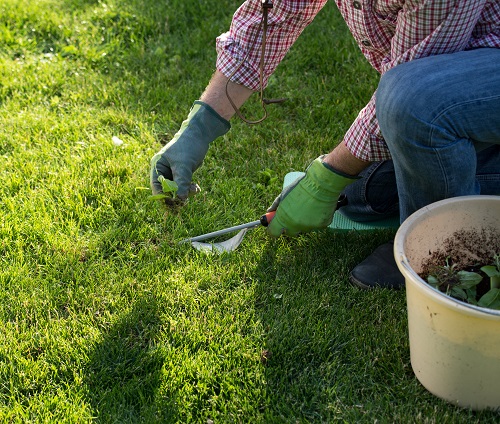
Dandelions, cheerful yellow flowers with a stubborn perennial growth habit, appear in the spring. Snap off the flower stems of dandelions before they set seed. If you’re feeling more ambitious, you can dig them up by the roots with a tool designed to remove the entire root and prevent it from re-sprouting. There are many weed-popper devices that work well.

Lawnmower Maintenance

It’s also time to give your lawnmower a good once-over. It’s time to start it. If it is a little difficult to start, it may be in need of a tune-up. Once a year, give your lawnmower a tune-up. You can restore your mower to its original condition in three simple steps. Consider buying a new lawnmower if yours needs more than just a tune-up.

Sharpening your mower blade is a key part of any tune-up. Sharpening the mower blade regularly will help to ensure that the blade cuts the grass rather than tears it, resulting in a lush green lawn instead of one with brown tips.

Call Conner’s Lawn Care Service now. Our professionals will take care of all your lawn needs.

Like our Facebook page for more great info about lawn care services.

Conner’s Lawn Care Service
Myrtle Beach, SC
843-504-4901
http://connerslawncare.com/

Tuesday, May 16, 2023

Lawn Watering Tips You Need To Know


Water is a crucial part of a healthy lawn. However, it is important to make sure that you do it correctly as part of your lawn care routine. For instance, if you run the sprinklers at night, you’re creating the perfect setting for disease to take hold. But if you water lightly then the grass roots won’t grow deep enough, which will create a problem for you once the hot weather comes.

Lawn Care: When To Water Your Lawn

If you notice that your lawn has taken on a dull green color or has a grayish cast, then it’s a sign that it needs water. You should also walk on your lawn. This will help you check if the grass is moist enough or not. If your footprints don’t disappear right away then the grass blades are not that moist. Although it might appear as if you can easily water your lawn anytime, your lawn needs specific lawn care and maintenance.

Water before 10 in the morning. It is much cooler and the winds are calmer, which means water can soak into the soil and be absorbed by the grass roots well before it could evaporate. In case you have to water the lawn at night, you can do so between 4 in the afternoon and 6 in the evening, which will provide the grass blades enough time to dry out before nightfall. There’s a greater possibility of disease becoming prevalent in the lawn if you water the grass much later.

How Much Water Should You Use?

If you need to water a lawn, it is best to water until the top 6 inches of the soil is wet. Most of the lawns require about 1.5 inches of water per week. It could be from rain or water, so the soil can be soaked deeply. You can apply the water in just a single watering or it can be divided into two waterings within the week. But never overwater the lawn.

lawn-care-2-1-300x200.jpgHave You Watered Enough?

As part of your Myrtle Beach lawn care routine, you should check the soil every 15 minutes to know how long it will take to soak it. This should be done during the first watering. You can use a screwdriver to check how deep the water has moved. Take note of the time when the soil was soaked to a depth of 6 inches at least. This will indicate the length of time you need to water your lawn in the future. So, keep this rule in mind. If you are having a hard time sticking a screwdriver at least six inches into the soil then you need to water your lawn.

There is something you can do to determine how long you need to run your sprinkler system. All you need to do is multiply your lawn’s square footage by 0.62 gallons and then divide it by the sprinkler flow rate.

You can also measure using cans. Use empty and clean tuna cans in various spots around your lawn and measure the time needed to collect 1.5 inches of water in every can. Because the sprinkler coverage patterns differ throughout the lawn, you can use the average time it needs to fill all the cans.

You can also use a flow or water timer. Pick out a timer that will measure the water flow by the hundreds of gallons. Multiply the square footage of the lawn by 0.62 gallons to know the total number of gallons required for the whole lawn.

If you need help in taking care of your lawn, don’t hesitate to call Conner’s Lawn Care Service.

Conner’s Lawn Care Service
Myrtle Beach, SC
843-504-4901
http://connerslawncare.com/

Tuesday, May 9, 2023

Lawn Maintenance Tips


You can have a lush green lawn if you put the effort into a regular lawn maintenance routine. You can either do the simple weekly and daily tasks yourself or ask a professional to help you. These nine tips will help you maintain a perfect lawn in between visits from a landscaper.

Lawn Maintenance Tips You Need To Know

1. Mow Grass Weekly

Regular grass cutting is the first tip for a beautiful lawn. Standard lawn care involves mowing your lawn once a week in the spring and summer. You may need to adjust your mowing frequency depending on the climate or weather conditions.

It is important to consider the time of day when you mow. Lawn care experts recommend that you mow your lawns early in the evening to keep them moist. Also, only cut about one-third of the height of your grass each time you mow.

2. Sprinklers in the morning

Water is the next essential ingredient for a healthy lawn. You don’t need to water your grass every day unless there are new seeds sprouting. Watering your lawn is best done two to three times per week.

Use a sprinkler to cover the entire lawn area. Watering should be done in the morning between 6 AM and 10 AM. It may be best to avoid watering in the middle of the night or during the day.

3. Customize your Grass to Perform

It’s possible for new properties or areas that need a lawn overhaul to choose the best grass type. Many different types of grass are used for lawns. Bermuda grass, Kentucky bluegrass, and other varieties don’t need as much upkeep.

The performance of grasses also varies depending on the climate and rainfall in your area. Choose the grass that is right for your climate zone. You can get customized advice from a Myrtle Beach lawn care professional for your new lawn.

lawn-maintenance-2-300x200.jpg4. Include Fertilizer in Your Lawn Care Routine

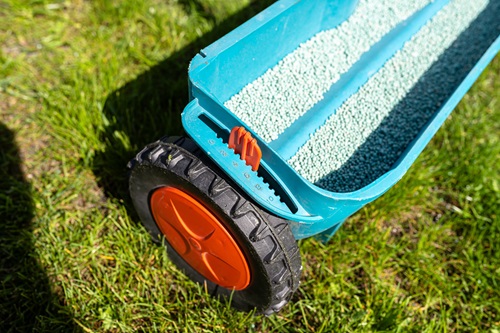
You will need to include fertilizer in your routine to get the “grass is always greener on the opposite side of the fence look”. It’s easy to fertilize a lawn yourself. All you need is a lawn spreader, and high-quality lawn fertilizer that matches your grass type.

Drop spreaders and broadcast spreaders are the two main types of spreaders. Drop spreaders work best on small lawns, while broadcast spreaders work well for large areas.

You’ll want to water the lawn a couple of days before fertilizing to prepare the soil. You’ll then need to prepare your spreader. Fill the spreader up with fertilizer from a gardening or home improvement store. On the packaging of the fertilizer, there should be instructions on how to adjust the spreader.

You can then walk around the perimeter to feed and fertilize your lawn. Fill the middle of your lawn with fertilizer. Dispose of any remaining product properly.

5. Investing in Weed Management

Most homeowners find it difficult to keep weeds from taking over their lawn. Some basic principles for lawn care can help you keep weeds under control. You can keep weeds at bay by mowing your lawn weekly, fertilizing it, and watering deeply.

Broadleaf weeds, crabgrass, and other weeds can be very frustrating. You may need professional landscaping services in order to eliminate these weeds. A lawn care expert can apply an herbicide formula that is precise and kills weeds without damaging your lawn in the spring.

6. Train your pet to use a small area

Your dog could be negatively impacting the lawn. In yards with pets, there are often yellow or dead patches of grass. This is where dogs will likely relieve themselves and can look unsightly on a healthy lawn.

You can prevent your dog from ruining the hard work you have put into your beautiful lawn. You can train your dog to urinate in a certain area of the yard, just as you trained them to use the toilet outside. You can designate a specific area of your lawn for your dog to relieve themselves, preferably in a hidden and shady spot. Begin by using a lead and rewarding them for using their new bathroom area.

7. Get your soil tested

Learn about the soil in your yard to keep your lawn looking great year after year. Some lawns will not respond to fertilizer, watering, or mowing. Consider having your soil tested by a professional if you are still struggling to maintain a beautiful yard.

You can learn about your soil’s health and what to do to improve it. These tests reveal the pH balance and nutrient content of the soil.

8. Reseed thin areas of the lawn

Reseeding is necessary if your lawn has patches and some areas look good. Reseeding may be necessary for lawn spots that have become overgrown with weeds. To begin the reseeding procedure, kill all weeds using a powerful herbicide.

Choose a grass seed that is adapted to your climate zone. Rake the soil and aerate it to prepare it for seeds. Spread the seed using your spreader. Fertilize and water your lawn every day, until it reaches a height of about 2 inches.

9. Maintain Your Mower

Last but not least, if you want a beautiful lawn, give your lawnmower some love and attention. When it comes to maintaining a green and healthy lawn, your lawnmower is going to be the most important tool you will find in your shed.

Be sure that your lawnmower blades are sharp. Professional sharpeners can help with this potentially hazardous project. You should clean the undercarriage of your lawnmower every time you use it to avoid rusting and keep it running smoothly. A professional lawnmower tune-up is a great way to maintain your mower’s performance.

Make your lawn a neighborhood favorite. With the help of an experienced lawn care professional and a few simple lawn maintenance routines, you can create a beautiful lawn. Call Conner’s Lawn Care Service now.

Conner’s Lawn Care Service
Myrtle Beach, SC
843-504-4901
http://connerslawncare.com/

Thursday, May 4, 2023

Lawn Care Guide to Repairing Patches of Grass


You may want to repair your lawn this weekend if you’ve noticed patches of grass. It is easy to fix and prevent patchy grass for experienced gardeners. However, you should first determine what is causing the patches. Here are a few lawn care tips you need to know.

You can easily identify the cause of patches on your lawn. The dog and wear and tear caused by children playing football are obvious culprits. However, a disease could be the reason for the patches.

These lawn care expert tips will help you maintain your lush lawn or fix any emergency patches.

Lawn Care Tips

You need to determine why your lawn has patches before you can decide if it is the right time to plant grass seeds. The cause of patchy grass can be a variety of things, including diseases like Red Thread or Snow Mould and pests such as Leatherjackets or Chafer Bug Grubs.

Patches of grass are often caused by constant usage, “poor drainage” or a ‘poor top’. This is especially common in newly constructed properties. He says that identifying the problem and resolving it are always the first steps to restoring your lawn before you repair or replace it.

Investigate when you should add lime to your lawn, since the pH of the ground could be the cause of patches of grass and poor health.

Dethatching a lawn can also leave bare patches of grass.

1. Aeration can penetrate the roots of grasses.

Aeration is a process that ‘increases airflow to the root, encouraging oxygen to promote root health’. This will encourage stronger roots to grow deeper and promotes a lush lawn that’s more resistant to patching in the future. This process will also reduce soil compaction, resulting in a more versatile lawn that is ready for cooler weather.

2. Sow grass seed

The best Myrtle Beach lawn care tip to fix your patchy lawn is with new grass seed that grows quickly. If you want a uniform-looking lawn, buy the same seed you used previously.

Before sowing, lift the soil and remove the brown or bare patch. Replace the sod removed with topsoil, compost, or a mix of the two, and scatter the seeds according to the directions on the seed packet.

3. Top Dress with Nutrient-Rich soil

Topdressing is a great way to fix your grass patches and keep your lawn thick and green.

The top-dressing of nutrient-rich dirt can make air, water, and nutrients more available to the roots as they break down.

This process will encourage the grass to grow thicker and re-root. It will also promote a healthier plot throughout the summer.

4. Regulate your Mowing

It may sound contradictory but the secret of a patch-free lawn is to maintain a regular schedule for the lawnmower.

Lawn-care-2-300x198.jpg5. Patch with Sod

What is another quick way to heal your patchy lawn?

You can lay sod any time during the year in a similar way to how you would use seeds.

To ensure a uniform finish, buy the sod from the supplier you used the first time.

Cut out the patchy lawn in a rectangular or square shape that matches the size and shape of the sod section, then loosen the soil underneath with a garden spade.

Keep the area at least an inch below the surface so it can be leveled with the soil. Cut a small piece of sod, and place it at the repair site. Press the patch gently and walk over it to settle it down. Water the area thoroughly so that the water sinks into the soil.

Why are there brown patches on my lawn?

Two things can cause brown patches on a lawn. Your grass could be just dormant, meaning it will grow back. It could also be dead or diseased. Knowing the difference is important before you fix the lawn.

If you gently pull a handful of dormant grass, it should not come off. Dormant patches are usually large because grass does not go dormant in isolated and small areas. Why do grasses turn brown and dormant? It’s usually a cold-season grass that doesn’t like heat or a warm-season grass that doesn’t like cold. Once the temperature is better, they’ll grow back green. Combine warm- and cold-season grass seeds when you sow to avoid this problem in the future.

A lawn care professional can diagnose and treat diseased patches.

If you gently pull on the dead grass, it will fall off in your hands. If you have brown patches of dead grass, it is best to replace the sod. Dormant patches.

Will brown patches in a lawn turn green again?

If the grass doesn’t have any disease or is dead, it will turn green when temperatures are suitable and you water it frequently after the frosts pass.

What causes bare patches in lawns?

The bare patches on your lawn are usually caused by wear. You can fix them easily if you convince the children to play somewhere else, move the water slide, take a new route to the shed, or lay down a path.

Excessive shade can also cause bare patches. This can be reversed by trimming shrubs and trees and sowing shade-tolerant seeds. Also, avoid cutting the grass too short. This part of the lawn will need to be fed.

Dog urine can also cause patches.

How to Repair Dog Urine Patches in a Lawn

Dog urine is often responsible for yellow or dead patches of grass on a lawn. You can’t stop your dog from peeing but you can minimize the damage.

This only works if your dog is willing to go out in the garden every time and then water it with a hose.

Sprinklers are best used in dry weather. Your lawn will be more likely to remain patch-free when it is kept moist.

Maintain a long lawn: this will keep the moisture in the grass and reduce the chances of developing brown patches.

A healthy lawn will be less likely to experience urine burn.

Call Conner’s Lawn Care Service now if you need help in maintaining your lawn.

Conner’s Lawn Care Service
Myrtle Beach, SC
843-504-4901
http://connerslawncare.com/

Friday, April 28, 2023

Spring Pests Prevention And Weed Control For Your Landscape


Weeds are the bane for every gardener. The second most common problem is pests. Weeds are another common problem that can be a real headache. It feels like a constant battle and takes away the fun of playing in the garden. We are here to let you know that there is an answer! For weed control and pest prevention to taking control of your landscape, you need to be ahead of the game. You ask, “How?” Learn how to prevent weeds from growing in your spring landscape using some tried and tested methods.

Weed Control

It is time to begin Myrtle Beach weed control today. The earlier you get rid of weeds the better. Spring is the best time to tackle weed prevention in your landscape. We’re talking about the usual suspects, including dandelions and chickweed. Here are a few ideas to get you going:

Once your garden has been established, you should temper your tilling. You can’t avoid it. Weed seeds can be sneaky, little bugs that prefer to lay dormant under the surface of soil. When they are brought closer to the surface of the soil it encourages their germination and spread.

Plant your Flowers Closer Together. Weeds love large, open spaces that are sunny. Planting your flowers closer together will give weeds less space to spread and take over. You’ll want to still follow the recommended planting distances, but by sticking your plants close together, you can take away valuable real estate from weeds.

Mulch is a great way to smother weeds and prevent them from taking over the landscape. By applying a thick layer of mulch (2 inches or more), you can smother weeds. This will also make it less inviting for weed seeds that you might have brought up to the surface. Mulch can be a good alternative to landscape fabric that is not organic. It will break down over time and improve the soil.

Just like other plants, weeds can’t live without water. It can be tempting just to turn on the sprinkler and water your garden in one go, but this will give thirsty plants what they need to overtake. Consider using a soaker-hose that will only water your plants where they need it.

Spring Pests: How to Prevent Them from Invading Your Home

Keep unwanted garden insects at bay by weeding early. Start by cleaning everything in your shed, especially any pots and planters that you intend to reuse. This will prevent any plant diseases that are recurring from appearing. Your soil will also benefit from some attention. Your plants will be more susceptible to pests if your soil is unhealthy and weak. Now is the perfect time to spread that compost you have been working on. Rotating your vegetables every year can also reduce pests.

weed-control-3-300x200.jpgHow to prevent weeds in your rock landscapes using natural methods

A newly laid out stone border in a stone patio or garden is a very satisfying sight. It looks so fresh and clean. It is not as satisfying to have to remove weeds from the cracks in those stones after a few months. You can tackle the weeds that grow in these rock landscapes with a variety of methods.

Sufficiently Sloped Patios: Weeds require moisture to thrive, and patios with a poor slope are more likely to retain moisture. A properly sloped patio, on the other hand, will promote proper drainage. It can be difficult for you to do this on your own but the effort is worth it. Our lawn care experts will be happy to visit your home to assess the problem and offer solutions.

Sweep regularly: This simple, but effective technique will help you to prevent weeds. Regularly sweeping your patio or driveway stones will reduce the chance of seedlings settling and disrupting new weed seeds.

Have you noticed that unwanted bugs are growing between stones? Here are some natural ways to get rid of weeds that have popped up between stones.

Baking soda is a kitchen staple that works best in spring or fall when weeds grow quickly. Baking soda will adhere better to weeds after rain. You can sprinkle baking soda on the weeds and then sweep the mixture into the cracks. Baking soda will draw out the moisture of the plant and kill it. Keep it away from flowers and grassy areas, as it can have the same effect on all types of foliage.

weed-control-2-300x200.jpgVinegar is an alternative to baking soda that can be used to kill weeds growing between stones on a patio, in cracks in driveway pavement, or along rock borders. White vinegar is usually found in most households. Pour some into a sprayer and spray it between the cracks of your rock landscape. After it has worked its magic for a few hours, return to the area and rinse off. Just be careful not to spray nearby flowers.

Boiling water: This is a simple and affordable solution. Boiling Water destroys the cell structure of a plant. You will need to be careful when applying baking soda and vinegar to prevent killing your plant babies. Use a teakettle with a spout to direct the water where you need it. Pour the water generously but slowly onto the weeds. Some weeds, especially the tougher ones, may require more than one application. Overall, however, it should work!

Keep Your Lawn Weed-Free

It is important to stop weeds before they grow and become a problem.

Synthetic herbicides are available in three different types: selective herbicides (selective, non-selective, and preemergent). Selective herbicides can be used on lawns. Just make sure to read the label. Pre-emergents and non-selective herbs are safe for lawns, but not non-selective ones. Here’s a bit more information about them. Use them with caution around children and pets, especially, because they contain powerful chemicals.

Lawn Care

Weeds will most likely appear when your lawn does not feel its best, but a little TLC goes a long way. It is important to water your lawn regularly, but not too often. This will encourage the growth of deeper roots. By mowing at the correct height (normally the highest setting on your lawnmower), you can encourage your grass to grow thicker, making it more difficult for weeds to germinate. Fertilizing your lawn every six to eight week during the growing period will give it strength to fight those pesky weeds.

Pests and weeds are a nuisance, but if you take the right steps early in the growing season, it will make your gardening life easier. Call Conner’s Lawn Care Service now.

Conner’s Lawn Care Service
Myrtle Beach, SC
843-504-4901
http://connerslawncare.com/

Monday, April 24, 2023

Lawn Care Tips For A Healthy Lawn This Summer


Your grass will start to grow like crazy as summer approaches! You may be having trouble maintaining a lush lawn because of the way you mow. Here are six lawn care tips for a healthy and vibrant lawn this season.

Summer Lawn Care Tips

1. Don’t Overwater

Sprinklers can be a great way to keep your lawn moist during the summer, but they also have some drawbacks.

The more you water healthy grass, it will grow faster. You’ll have to mow more often, and your lawn will suffer long-term damage from the compaction of your grass caused by heavy mowers to the wear on the blades.

Oversaturated lawns can also cause problems. (Think rotting and musty odors!). Wet lawns can develop mold and disease, attract pests such as mosquitos, and have ruts caused by heavy equipment sinking in soft soil.

This summer, water deeply but infrequently. It will encourage deeper roots and stronger turf, which means you’ll need less water! Unsure of how to water your lawn properly? Call a lawn maintenance expert.

2. Beware of “Scalping

Scalping means cutting your lawn too short. It’s like exposing the bare scalp of your landscape in Myrtle Beach!

Your turf is left vulnerable and exposed when you cut it low. Thick grass prevents certain diseases and pests from damaging the root system of your blade. It’s not just that grass less than 2 inches tall is more prone to weeds and grubs but also more susceptible to pesticides.

The crown of the blades of grass can be damaged by a very short cut. This is an important part of the structure and health of your lawn. It can take up to a season for crown damage to heal, which will put your lawn under stress.

Remember that your grass blades absorb nutrients from sunlight, just like leaves on plants. If your blades are shorter, there is less surface to perform photosynthesis. Always leave your grass about three inches or higher.

You say “I am a golfer, and I always mow the greens very short with no issues”. Remember that these grasses are bentgrass varieties, which are meant to be mowed short. They are mowed daily. By removing 1/3 of the grass blades at a given time, cutting your turf once a week will shock it.

3. Keep Your Blades Sharp

Wearing mower blades can also make your lawn look messy. Dull scissors will pull the material they are trying to cut, instead of cutting it cleanly. Dull mower blades may not be obvious, but they can pull up your grass roots and cause them to be disturbed. Consider how much faster a clean wound on your skin heals than one that is jagged. When left uncovered, frayed grass can invite diseases.

You may forget to sharpen the blades of your lawnmower. After all, they are still spinning and doing their job! But a quick sharpening can do wonders. Sharpen your mower blades at least every two months or every time you start a new “mowing” season. Due to the heavy use of our commercial mowers we sharpen their blades twice a week.

4. Trim Weekly

How often should we mow? This depends on many factors, including the season, how much rain you get, and the type of grass that you have. Massachusetts homeowners should mow their lawns once a week in the summer.

More frequent mowing can be very stressful to your grass. It takes a lot of resources and energy to grow back, only to get hacked down before it can absorb enough nutrients from the sunlight! Mowing too often can also compact the soil and reduce the growth of the turf’s roots.

The downsides of waiting too long to mow your lawn are also significant. You may adjust the deck of your mower incorrectly in an attempt to cut that tall grass. This can cause your lawn to be scalped, as discussed above. Cutting off a large portion of grass can also cause your lawn to panic, as it will not have the resources necessary to recover and grow. Take two or three passes in a few short days to bring your grass back to its normal height if you returned from vacation to find it two weeks high. Remember that you should never cut more than 1/3 the blade of grass at one time. If you keep your height at 3″, as we recommend, you shouldn’t go much higher than 4″ for the next cut.

5. Take Your Time

It can be tempting when mowing frequently to hurry the job. Some homeowners enjoy rushing around their zero-turn mowers, as though they are in a hurry to get inside to relax.

Fast mowing can result in sloppy cuts or missed patches. Sharp turns can also tear up your lawn, creating rivets that compact your soil or damage your roots.

6. Skip the Bagging

Resist the urge to bag your clippings when you mow the lawn. Many homeowners bag the grass clippings left behind after mowing their lawns, thinking it will make their turf look neater and cleaner. However, you are actually robbing them of valuable organic matter that will be eventually broken down and reabsorbed into your soil. The grass that remains on your lawn helps it retain more water.

You should only pick up clippings in two situations. If you have waited too long to mow and did not listen to our advice, mow in increments to bring it back to its proper height. The piles of grass cut can either smother the grass, preventing it from absorbing sunlight, or too much water.

Second, you can add your trimmings to your compost. Your trimmings, when mixed with brown and nutritious table scraps, can be a great fertilizer. You can use it to give your lawn an extra mineral boost by spreading the mixture on your lawn.

Nothing is more satisfying than a well-kept lawn on a sunny day. Even the most pristine lawns will not be able to fix a messy landscape.

Call Conner’s Lawn Care Service now if you need professional help in maintaining your lawn.

Conner’s Lawn Care Service
Myrtle Beach, SC
843-504-4901
http://connerslawncare.com/

Thursday, April 20, 2023

Lawn Care Tips About Watering Lawn After Fertilizing


When Should You Water Your Lawn After Fertilizing and For How Long? Some rules are just made for following. Always stop at a kid’s lemonade stand. Water after fertilizing your lawn. The lemonade thing is easy. But when exactly do you water after fertilizing? And for how long?

Whether you apply your own fertilizer or hire a lawn care company to do it, here’s the deal with watering after fertilizing your lawn.

Lawn Care: Why Water After Fertilizing?

Watering after fertilizing washes the fertilizer off of the grass blades and into the soil, where it can get to work nourishing your lawn.

It’s also important because if fertilizer sits too long without being watered in, it can burn the grass.

When to Water Your Lawn After Fertilizing

If your lawn gets liquid fertilizer, wait until it dries before watering, about 2-4 hours.

If it’s granular fertilizer, water right away. One exception: if you also got spot weed treatments at the same time, wait for that to dry before watering, or the water will wash off the weed killer before it can work.

How Long Should You Water Your Lawn After Fertilizing?

The fertilizer and soil should be thoroughly moist, but don’t water so much that the water begins to form puddles. About 20 minutes should do the trick.

You don’t want to wash away all those good nutrients — or let the fertilizer get carried away by the water, where it could contaminate groundwater and nearby streams, ponds or rivers.

If you’re using hoses and sprinklers to water after fertilizing, not an irrigation system, be sure you move them around to provide nice, even coverage over all areas of your lawn.

lawn-care-2-300x200.jpgLet the Rain Help Out

If you can, try to time your fertilizer application just before you expect a rainfall of at least 1/4 inch. Rain provides good, even coverage over the entire lawn.

But if weather forecasters are predicting heavy rain, never mind. That can flood your lawn and wash away the fertilizer.

You’ve Watered after Fertilizing — Now What?

After this initial watering, avoid watering your lawn for a couple of days so the nutrients can settle in. Then, return to your regular lawn-watering schedule, and remember these tips:

Don’t water every day. Water deeply and infrequently. Water too often, and encourages shallow, needy roots. Water less often but deeply, roots will grow deeper and healthier — and be happy with less water. Grass needs about an inch of water each week.
Early morning is the best time to water. It’s still cool, so all that valuable water won’t evaporate in the hot sun. Wrap up your watering as close to sunrise as possible. If sunrise is at 6 a.m., you should be done watering at 6.

See It All On Video

Instructions for watering after fertilizing are included in our customer follow-up videos.

Five minutes after our lawn care technician leaves your yard, you’ll get an email with a quick video featuring our technician explaining what they just did and any follow-up tips you need to know.

It’s just one of the ways we make lawn care easy.

Is Your Lawn Ready for a New Best Friend? Ready to nourish your grass with fertilizer for a green and healthy lawn? Call Conner’s Lawn Care Service now.

Conner’s Lawn Care Service
Myrtle Beach, SC
843-504-4901
http://connerslawncare.com/

Is Fertilizer Safe for Kids and Pets?

Many homeowners wonder whether  fertilizers  are safe for children and pets. Questions like “What if my pet eats fertilizer?” or “How soon c...