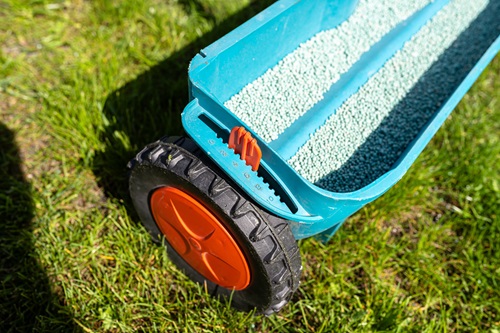
Showing posts with label fertilizer. Show all posts

Wednesday, November 27, 2024

Is Fertilizer Safe for Kids and Pets?


Many homeowners wonder whether fertilizers are safe for children and pets. Questions like “What if my pet eats fertilizer?” or “How soon can my kids play on the lawn after fertilizing?” are common concerns.

While the term “chemical” might sound alarming, they are perfectly safe when applied responsibly. Let’s explore how you can maintain a lush, green lawn while keeping your family safe.

Why Fertilizing Services Are Important

Fertilizing services play a crucial role in keeping your lawn healthy and vibrant. They deliver essential nutrients, such as nitrogen, phosphorus, and potassium, that strengthen roots and promote growth. For instance, a well-fertilized lawn resists stress from heat and foot traffic more effectively. Additionally, maintaining a healthy lawn enhances curb appeal and even supports soil health.

However, understanding how to safely use fertilizer in Conway SC is just as important as knowing its benefits. With proper precautions, you can enjoy a beautiful lawn while ensuring the safety of your family.

Ensuring Safety for Kids and Pets

Using them safely involves a few key steps. These precautions not only protect children and pets but also make the fertilizing process stress-free.

Always Read the Product Label

Start by thoroughly reading the label on the package. This step helps you understand the product’s ingredients, application rates, and specific precautions. For example, some may include waiting periods before it’s safe to allow people or animals back on the lawn.

Keep Kids and Pets Indoors During Application

To prevent direct contact with the fertilizer, keep children and pets inside while the lawn is being treated. Once the waiting period recommended on the label has passed, they can safely enjoy the outdoors again.

fertilizing-in-Conway-SC-300x200.jpg

fertilizing in Conway SC

Use Protective Gear or Hire Fertilizing Services

When applying yourself, wear gloves, long pants, and closed-toe shoes to avoid skin irritation. Alternatively, hiring fertilizing services in Conway SC ensures the product is applied correctly, saving you time and effort.

Store Fertilizer Safely

After use, keep them in a sealed container and store them in a cool, dry place out of reach of children and pets. This prevents accidental exposure and protects the product’s effectiveness.

Tips for Fertilizing Safely

Proper application not only keeps your lawn in Conway SC healthy but also ensures the safety of your family. Following these steps creates a secure and effective fertilizing process:

Understand the Fertilizer Application Rate

Use the product guidelines to calculate how much is appropriate for your lawn size. For example, applying too much can harm grass and increase runoff risk.

Check the NPK Ratio

The NPK ratio on the bag represents the levels of nitrogen, phosphorus, and potassium. Choosing a fertilizer that matches your soil’s needs is essential for effective treatment.

Time Your Application Wisely

Avoid applying before heavy rain to reduce runoff. Instead, choose a calm, dry day to ensure the nutrients stay in your soil.

Environmental Benefits of Fertilizing

Fertilizers not only benefit your lawn but also support the environment. Healthy lawns reduce soil erosion by holding soil in place with strong root systems. Additionally, they improve soil biodiversity, creating a thriving ecosystem for beneficial microbes and plants.

Common Questions About Fertilizer

What if my pet eats fertilizer?

If your pet ingests a small amount, symptoms are usually mild or nonexistent. However, large quantities might cause discomfort. To be safe, choose pet-friendly fertilizers or consult your veterinarian if you’re concerned.

Does fertilizer harm bees or other beneficial insects?

Fertilizers without pest control additives are generally safe for pollinators. For instance, slow-release options are a good choice because they minimize harm to bees and other beneficial insects.

Can fertilizer harm the environment?

Fertilizer runoff occurs when it’s applied improperly or during heavy rain. Timing your application correctly and avoiding overuse helps prevent runoff. As a bonus, healthier lawns reduce erosion and keep soil in place.

By taking the right precautions and using professional fertilizing services from Conner’s Lawn Care Service, you can enjoy a lush, green lawn that’s safe for kids, pets, and the environment.

Ready to fertilize your lawn and create a thriving yard? Call Conner’s Lawn Care Service now to schedule lawn care services tailored to your needs!

Conner’s Lawn Care Service
Myrtle Beach, SC
843-504-4901
http://connerslawncare.com/

Tuesday, September 10, 2024

Understanding Fertilizer Burn and How to Prevent It


Fertilizing your lawn can feel like giving it a nutritious boost, much like feeding it a superfood packed with essential nutrients. However, just like overindulging in anything, too much fertilizer can be harmful.

This is where fertilizer burn comes into play—a common issue that can affect both the health and appearance of your grass and plants. So, what is it, and how can you avoid it? Let’s dive in and explore how to keep your lawn lush and vibrant all year round.

What is Fertilizer Burn?

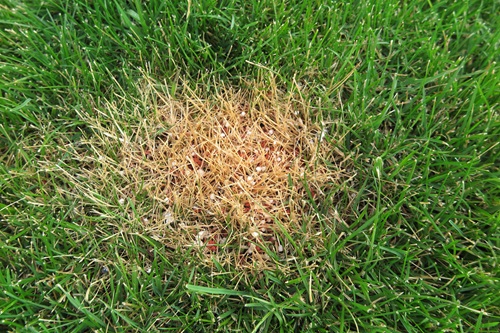
To put it simply, fertilizer burn happens when too much fertilizer is applied to your lawn. Fertilizers in Conway SC are made up of key nutrients like nitrogen, phosphorus, and potassium, which are crucial for plant growth. But they also contain salts that, when over-applied, can draw moisture away from the roots of your grass and plants. This lack of moisture leads to dehydration, causing visible damage to your greenery.

What Are The Signs:

To recognize if your lawn in Conway SC is experiencing this problem, there are several symptoms you should watch for. To begin with, check for leaves with brown or yellowing edges and tips, as this is a common sign of damage. Then, pay attention to any leaves that appear to be wilting or drooping, which could indicate stress. You might also notice that the growth of your grass seems stunted or has slowed down significantly. Additionally, the leaves may look scorched, giving them a burnt appearance. Finally, in the most severe situations, this issue can even lead to the death of your plants.

Why Does It Happen?

The primary cause of fertilizer burn in Conway SC is the overuse or incorrect application. However, there are several factors that can increase the likelihood of this problem:

  • Insufficient Watering: If you don’t water thoroughly after fertilizing, the salts can stay concentrated on the surface, causing damage.
  • Applying to Wet Grass: Fertilizing when the lawn is already wet can cause the fertilizer to stick to the blades of grass, leading to burn marks.
  • Using Quick-Release Fertilizers: These types release nutrients too quickly, increasing the chance of burning your lawn.
lawn-care-2-2-300x200.jpg

lawn care in Conway SC

How to Fix Fertilizer Burn

If you’ve noticed the signs, don’t worry. There are several steps you can take to help your lawn recover.

1. Pause All Fertilizing Activities

The first step is to stop adding any more fertilizer. Adding more nutrients to an already stressed lawn will only worsen the situation.

2. Leach the Soil with Water

Next, flush the soil with plenty of water. This process, known as leaching, helps to dilute and wash away the excess salts. It may be necessary to repeat this step several times to ensure that the salts are thoroughly diluted.

3. Trim Damaged Leaves

Carefully prune any dead or damaged leaves from your plants. This helps them focus their energy on healthy, new growth rather than trying to repair damaged parts.

4. Provide Temporary Shade

If possible, give your lawn some temporary shade to protect it from direct sunlight. Too much sun can add extra stress to plants already suffering from fertilizer burn, so providing shade can help them recover more quickly.

5. Be Patient and Supportive

Recovery takes time, so be patient and keep supporting your lawn with adequate water and care. Look for signs of new growth, which indicate that your lawn is beginning to heal.

Prevention Tips

Preventing fertilizer burn is simpler than you might think. The most important lawn care step is to follow the instructions on the label. Applying the recommended amount and allowing time for the lawn to recover between applications can greatly reduce the risk. Typically, lawns do not need more than four fertilizations a year.

Here are some additional prevention strategies:

  • Opt for Slow-Release Fertilizers: These release nutrients gradually, reducing the risk of overloading your lawn with salts.
  • Select the Right One: Choose one that matches the needs of your specific soil and plants.
  • Avoid Fertilizing Stressed Lawns: If your lawn is already stressed due to drought, disease, or extreme weather, it’s best to hold off on fertilizing.
  • Water Before and After Application: Make sure the soil is moist before you apply, and water again afterward to help distribute the nutrients evenly.
  • Apply Evenly: Be careful to spread it evenly across your lawn. Uneven application can cause concentrated areas that are more likely to burn.
  • Consider Professional Help: And, hiring a professional lawn care service in Conway SC can ensure the job is done right, reducing the chance of encountering this problem and keeping your lawn looking its best.

Fertilizer burn is a common mistake, especially for those new to lawn care. But, by taking a few simple precautions and hiring Conner’s Lawn Care Service, you can avoid this issue and maintain a healthy, green lawn.

So, if you want to be completely sure that your lawn is safe from fertilizer burn, think about getting help from a professional. Call Conner’s Lawn Care Service now. Our team will test your soil, recommend the best fertilizer, and apply it correctly to avoid any damage.

Conner’s Lawn Care Service
Myrtle Beach, SC
843-504-4901
http://connerslawncare.com/
Thursday, December 2, 2021

Fertilizing and Mulching for Beginners


Mulch can be fertilized on top. However, the success of fertilizing depends on how quickly it decomposes and the type of mulch. You can fertilize the mulch with fast-decomposing mulches like seed hulls and grass clippings before you apply it again each year. This is when most of the mulching from last year will have been removed.

To ensure that organic mulch such as bark and wood mulch is not decomposing too quickly, it’s important to remove mulch from your garden soil before you apply fertilizer.

Granular fertilizers should be used in as close to the ground as possible. Granular fertilizers are most effective when they come into contact with moist soil. This is where they can break down and release their nutrients.

When fertilizing mulch tops, liquid fertilizers are the best option. They will penetrate the mulch and reach the soil below.

Fertilizing and Mulching

When fertilizer is applied to mulch, timing is crucial. You will need to reapply mulch every spring if you are using fast-decomposing mulches like straw, grass clippings or cocoa hulls. It is a good idea to fertilize before you add new mulch. This is because most of the mulch will have been broken down by this time. It is easy to fertilize and then add mulch.

It may be harder to fertilize mulch if it is slow-decomposing, like bark mulch or nuts. You need to choose a liquid fertilizer that penetrates mulch best and helps plants grow.

Apply granular fertilizer or liquid fertilizer to gardens with less than 1/2 inch of mulch left. Then add new mulch. To discourage future weed growth, add at least 2-3 inches of mulch.

Avoid granular fertilizer in gardens or areas where there is a lot of mulch (greater that 1/2 inch). To ensure that you reach all tree and plant roots, use liquid fertilizer.

Fertilizing through Wood Chips

For your lawn care, it is best to remove mulch from plants before fertilizing them with wood chips. This will give you the best results and the most fertilizer for your plants.

It may not always be possible to remove mulch from large gardens to apply fertilizer. The following is a list of things to remember if you have to fertilize with wood chips:

Avoid using granular fertilizer for your landscaping Conway SC. It can get stuck in mulch and won’t break down properly.

Add a liquid fertilizer to the top of the wood chips. After fertilizing, water to soak the fertilizer in the soil.

Make sure to read the instructions for your liquid fertilizer. You may be advised to increase the fertilizer in areas that are mulched.

Mulch Fertilizes the Ground and Soil

Mulch gradually fertilizes the ground by releasing their nutrients. Mulch is a thin layer that gradually turns into compost.

Mulchs can be broken down over time and added nutrients to the soil. This is usually a very good thing. Mulchs that have chemicals or acidic mulches, such as those made from commercial wood mulches, can potentially increase these properties. Be careful when selecting your mulch.

Mulch can increase Nitrogen in the soil?

Mulch does not reduce nitrogen in soil, so don’t believe it. This myth is totally false. This is completely false.

Mulch myths claim that mulches steal nitrogen. This myth is still commonly believed by gardeners who want to use mulch to encourage them to fertilize with more fertilizer. Mulch won’t rob nutrients from your soil. Mulch can absorb some liquid fertilizer, so it is best to remove mulch from your soil before fertilizing.

Is it possible to add compost to Mulch?

It is best to add compost or compost tea directly to your soil. This will give you the most effective and fastest results. There are certain cases when you can add compost to mulch.

For gardens that have less than 1/2 inch of mulch, you can add a layer of compost to the soil, and then cover it with new mulch.

Mulch that is more than 1/2 inch thick in gardens should be removed to make room for compost.

Applying compost on top of a thick mulch layer may not penetrate the soil to feed your plants. It can also become a breeding ground of weeds if left untreated.

Fertilizing on Top of Mulch

Apply fertilizer to mulch when it is less than 1/2 inch thick. Mulch-covered areas should be raked away so that your fertilizer can be applied directly to the soil.

Apply fertilizer to mulch. Water thoroughly after fertilizing. Granular fertilizers work better on top of mulch than those that are liquid.

Call Conner’s Lawn Care Service if you need help in taking care of your lawn.

Conner’s Lawn Care Service
Myrtle Beach, SC
843-504-4901
http://connerslawncare.com/

Wednesday, August 11, 2021

When Should You Apply Mulch and Fertilizer?


 You can fertilize after mulching but how much success you’ll have will depend on the kind of mulch that you have added and how fast it will decompose, and the type of fertilizer that you’re using.

Seed hulls, leaf mulch, grass clippings, and other fast-decomposing mulches lets you apply fertilizer on top of the remaining mulch before the annual reapplication of the mulch. Most of the past year’s mulch will have decomposed at this time.

With organic and slow decomposing such as bark mulch and traditional wood, you must rake the mulch aside before you apply fertilizer to your flower bed or garden soil. This will help make sure that there will be great contact with the surface of the soil.

If you’re using granular fertilizer, you should provide ground contact as much as possible. They work well with moist soil when breaking down and releasing their nutrients.

Liquid fertilizers are excellent lawn care options when adding one on top of mulch. They go through the mulch and then reach the soil below.

Tips For Fertilizing after Mulching

Timing is crucial when adding fertilizer on top of mulch. If you are utilizing fast decomposing mulch like cocoa hulls, grass clippings, and straw, they you need to reapply the mulch every spring season. Adding fertilizer before adding new mulch is an excellent idea since at this time, most of the mulch in the garden will have already broken down. You could fertilize, then add in a layer of the mulch with minimal effort.

In case you are using a slow decomposing much like nutshells and bark mulch, it might be harder to add fertilizer on top of the mulch. It requires choosing a liquid fertilizer that will work best when it comes to penetrating mulch and assisting plants to grow.

In gardnes wherein most of the mulch has already decomposed, you should add liquid or granular fertilizer over the old mulch, and then add a new layer of mulch. You can discourage weed growth in the future by adding a minimum of two to three inches of mulch.

In areas and gardens with a lot of mulch still remaining, you should avoid using granular fertilizer. It’s best to use liquid fertilizer to ensure that you reach all of the tree and plant roots.

The best way to fertilizer your garden using wood chips is to get rid of the mulch first or at the very least rack the mulch away from the plant’s base before adding a fertilizer. This will provide the best results and give the highest amount of fertilizer to the plants.

In bigger gardens, it might not be ideal to rake or remove the mulch to apply the fertilizer. In case you need to fertilize through the wood chips, there are a few lawn care Conway SC tips you need to remember.

You should avoid the use of granular fertilizer, which might get trapped in the mulch, which could cause its improper break down. You should apply liquid fertilizer above the wood chips and make sure to follow the manufacturer’s instructions.

Call Conner’s Lawn Care Services now if you need help in mulching, adding fertilizer, or with anything that involves taking care of your lawn.

Conner’s Lawn Care Service
Myrtle Beach, SC
843-504-4901
http://connerslawncare.com/

Is Fertilizer Safe for Kids and Pets?

Many homeowners wonder whether  fertilizers  are safe for children and pets. Questions like “What if my pet eats fertilizer?” or “How soon c...