Showing posts with label mulching. Show all posts

Friday, June 14, 2024

Mulching: The Essential Gardening Practice You Shouldn’t Ignore


Gardening enthusiasts and professionals alike understand the importance of maintaining healthy soil and promoting plant growth. Moreover, one practice that stands out for its numerous benefits is mulching. So, let’s delve into what mulching is, why it’s essential, and how you can effectively incorporate it into your lawn care routine.

What is Mulching?

Meanwhile, mulching involves covering the soil surface around plants with a layer of material. These materials can be organic, such as wood chips, straw, grass clippings, and compost, or inorganic, like plastic sheeting, gravel, or landscape fabric. And each type of mulch serves different purposes and offers unique benefits to the garden.

Benefits of Mulching

1. Moisture Retention

For starters, mulching can help retain soil moisture. Mulch also serves as a barrier, minimizing evaporation and keeping the soil moist for longer periods. So, this is especially beneficial during hot and dry seasons, helping your plants stay hydrated and reducing the frequency of watering.

2. Weed Suppression

Next is weed suppression. Weeds compete with your plants for nutrients, water, and light. Mulching effectively suppresses weed growth by blocking sunlight from reaching the soil surface. Therefore, fewer weeds will germinate, and the few that do can be easily removed. Moreover, less time spent weeding means more time enjoying your garden.

3. Temperature Regulation

Mulch helps in regulating soil temperature, keeping it cooler in the summer and warmer in the winter. This temperature moderation creates a more stable environment for plant roots. So, your plants will be less stressed by extreme temperature fluctuations, promoting healthier growth.

4. Soil Improvement

Meanwhile, organic mulches decompose over time, adding valuable nutrients and organic matter to the soil. This decomposition improves soil structure, enhances fertility, and promotes beneficial microbial activity. So, by enriching the soil, mulch contributes to healthier plants and more bountiful harvests.

5. Erosion Control

Furthermore, mulch protects the soil from erosion caused by wind and rain. By covering the soil surface, mulch reduces the impact of raindrops and water runoff, preventing soil particles from being washed away. Therefore, your garden retains its valuable topsoil, which is essential for plant health.

6. Aesthetic Appeal

In addition to its functional benefits, mulch adds a finished look to your garden. Different types of mulch can enhance the visual appeal of your landscape, providing a neat and uniform appearance. So, whether you prefer the natural look of wood chips or the vibrant color of dyed mulches, there’s an option to suit your aesthetic preferences.

mulching-300x225.jpgTypes of Mulch

Organic Mulch

1. Wood Chips and Bark: These are among the most popular mulches for their longevity and appearance. They break down slowly, providing long-term benefits to the soil. Moreover, they are excellent for garden beds and around trees and shrubs.

2. Straw and Hay: These mulches are great for vegetable gardens and flower beds. They decompose faster than wood chips, adding organic matter to the soil relatively quickly. Additionally, straw and hay are effective in keeping soil temperatures stable.

3. Grass Clippings: Fresh grass clippings are readily available and can be used as mulch. However, they should be applied in thin layers to prevent matting and to allow them to decompose properly. Furthermore, grass clippings are rich in nitrogen, which is beneficial for plant growth.

4. Compost: Compost is a nutrient-rich mulch that enhances soil fertility. It improves soil structure, promotes microbial activity, and provides a slow-release source of nutrients for plants. So, using compost as mulch is an excellent way to recycle organic waste from your garden and kitchen.

Inorganic Mulch

1. Plastic Sheeting: Plastic mulch is often used in commercial agriculture for weed control and moisture retention. It’s effective in warming the soil in early spring, promoting faster plant growth. However, it doesn’t add any nutrients to the soil and needs to be removed and replaced periodically. You can consider including this in your lawn care in Conway SC.

2. Gravel and Stone: These mulches are ideal for areas where low maintenance is desired. They are long-lasting and excellent for controlling erosion. However, they don’t provide the same soil benefits as organic mulches and can make soil temperature regulation more challenging.

3. Landscape Fabric: This material is often used under other types of mulch to enhance weed suppression. It allows water and air to penetrate the soil while preventing weed growth. So, it’s particularly useful in garden beds and pathways.

How to Apply Mulch

Preparation

Before applying mulch, it’s essential to prepare the soil. So, remove any existing weeds and water the soil thoroughly. If using organic mulch, consider adding a layer of compost to provide additional nutrients.

Application

Also, spread mulch evenly around plants, making sure to leave some space around the stems to prevent rot. For most types of mulch, a layer of 2-4 inches is sufficient. Thicker layers may be necessary for coarse materials like wood chips.

Lawn Maintenance

Over time, organic mulches will break down and need to be replenished. Check the mulch layer periodically and add more as needed to maintain the desired thickness. Additionally, keep an eye out for any weeds that manage to sprout and remove them promptly.

Remember, mulching is an essential lawn maintenance practice that offers numerous benefits, from moisture retention and weed suppression to soil improvement and erosion control. By choosing the right type of mulch and applying it correctly, you can enhance the health and appearance of your garden. So, don’t overlook this simple yet effective technique.

Start mulching today and enjoy a more vibrant, productive, and beautiful garden. Call Conner’s Lawn Care Service now. 

Conner’s Lawn Care Service
Myrtle Beach, SC
843-504-4901
http://connerslawncare.com/

Tuesday, January 10, 2023

Mulching To Improve Lawn Health


Mulching is great for your lawn because of a variety of reasons. Mulching is great for your lawn because it saves you time, money, and labor. You don’t have to rake, bag, or haul away any leaves or clippings. These are the basics you should know:

Mulching Lawn Clippings

Lawn clippings should be mulched every year. Mulching lawn clippings has many benefits that are hard to overlook. Mulching lawn clippings is a smart way to save time and money. Lawn clippings can be used in the same way as mulching leaves on the lawn in the Ffall to add valuable organic matter to the soil.

Mulching can be done best with a mulching mower. These mowers are just like other mowers but with some modifications. Mulching kits can be purchased with mowers, or they can be retrofitted. Mulching blades have extra cutting surfaces and are combined with additional baffling beneath the mower. To trap clippings under the deck, the output chute is blocked. The baffling allows the clippings to be moved around and can be used multiple times to cut the lawn.

Grass Clippings & Thatch Buildup

Thatch buildup is not caused by grass clippings. They are mainly water and the rest of the tissue is removed by microbial activity. Although grass clippings can contribute to an existing problem of thatch, as long as the lawn has been mowed regularly, and a mulching mower is employed, mulching lawn clippings will not cause thatch accumulation. Under wet or overgrown conditions, clumping may occur. To prevent grass from becoming smothered, it is important to take care not to clump.

Financial Benefits

The soil biology benefits alone may not be enough to encourage the practice of mulching grass clippings into the lawn. However, the financial rewards might. A lawnmower collection system is more expensive than a mulching set. There is more work involved in removing clippings from a lawnmower. The collection system must be empty and then the clippings need to be placed somewhere.

Even if these extra steps don’t increase the overall cost of lawn care services, they do contribute to fuel and labor costs. Where do clippings go if they are transported off-site? If they are taken to recycling facilities, there may be a charge for tipping. They can be kept on-site and put in a compost heap.

Situations where you can skip mulching with clippings

If there are a lot of weeds in your lawn such as crabgrass and dandelions, clippings can be collected rather than being mulched. The clippings can be collected around the time that weed go to seed, which may reduce the spread of weed seeds in the lawn at certain times of the year. It is a good idea to collect clippings if the lawn has been unmowed for longer than one week because of rain or other circumstances.

Mulching Leaves into the Soil

It turns out that fall leaves should be mulched and returned to the lawn. Use excess leaves to mulch your garden, or plant beds, or for filler in your compost pile. Avoid putting them out on the curb, especially if you know they will end up in the landfill. Leaves can be recycled as organic matter and should be kept on the original property where they were found.

Stay on a Lawn Care Program

it is always best to stick to a lawn care program. You could do this on your own or have a specialist do it for you. Conner’s Lawn Care Service is here to help you take care of your lawn from trimming grass to landscaping. We do it all for you!

Call Conner’s Lawn Care Service today for professional lawn care services.

Conner’s Lawn Care Service
Myrtle Beach, SC
843-504-4901
http://connerslawncare.com/
Thursday, December 2, 2021

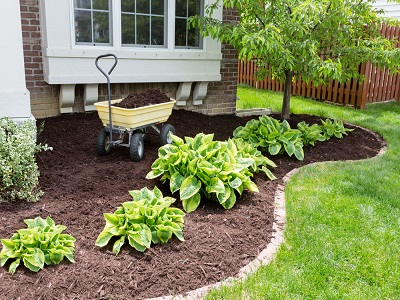
Fertilizing and Mulching for Beginners


Mulch can be fertilized on top. However, the success of fertilizing depends on how quickly it decomposes and the type of mulch. You can fertilize the mulch with fast-decomposing mulches like seed hulls and grass clippings before you apply it again each year. This is when most of the mulching from last year will have been removed.

To ensure that organic mulch such as bark and wood mulch is not decomposing too quickly, it’s important to remove mulch from your garden soil before you apply fertilizer.

Granular fertilizers should be used in as close to the ground as possible. Granular fertilizers are most effective when they come into contact with moist soil. This is where they can break down and release their nutrients.

When fertilizing mulch tops, liquid fertilizers are the best option. They will penetrate the mulch and reach the soil below.

Fertilizing and Mulching

When fertilizer is applied to mulch, timing is crucial. You will need to reapply mulch every spring if you are using fast-decomposing mulches like straw, grass clippings or cocoa hulls. It is a good idea to fertilize before you add new mulch. This is because most of the mulch will have been broken down by this time. It is easy to fertilize and then add mulch.

It may be harder to fertilize mulch if it is slow-decomposing, like bark mulch or nuts. You need to choose a liquid fertilizer that penetrates mulch best and helps plants grow.

Apply granular fertilizer or liquid fertilizer to gardens with less than 1/2 inch of mulch left. Then add new mulch. To discourage future weed growth, add at least 2-3 inches of mulch.

Avoid granular fertilizer in gardens or areas where there is a lot of mulch (greater that 1/2 inch). To ensure that you reach all tree and plant roots, use liquid fertilizer.

Fertilizing through Wood Chips

For your lawn care, it is best to remove mulch from plants before fertilizing them with wood chips. This will give you the best results and the most fertilizer for your plants.

It may not always be possible to remove mulch from large gardens to apply fertilizer. The following is a list of things to remember if you have to fertilize with wood chips:

Avoid using granular fertilizer for your landscaping Conway SC. It can get stuck in mulch and won’t break down properly.

Add a liquid fertilizer to the top of the wood chips. After fertilizing, water to soak the fertilizer in the soil.

Make sure to read the instructions for your liquid fertilizer. You may be advised to increase the fertilizer in areas that are mulched.

Mulch Fertilizes the Ground and Soil

Mulch gradually fertilizes the ground by releasing their nutrients. Mulch is a thin layer that gradually turns into compost.

Mulchs can be broken down over time and added nutrients to the soil. This is usually a very good thing. Mulchs that have chemicals or acidic mulches, such as those made from commercial wood mulches, can potentially increase these properties. Be careful when selecting your mulch.

Mulch can increase Nitrogen in the soil?

Mulch does not reduce nitrogen in soil, so don’t believe it. This myth is totally false. This is completely false.

Mulch myths claim that mulches steal nitrogen. This myth is still commonly believed by gardeners who want to use mulch to encourage them to fertilize with more fertilizer. Mulch won’t rob nutrients from your soil. Mulch can absorb some liquid fertilizer, so it is best to remove mulch from your soil before fertilizing.

Is it possible to add compost to Mulch?

It is best to add compost or compost tea directly to your soil. This will give you the most effective and fastest results. There are certain cases when you can add compost to mulch.

For gardens that have less than 1/2 inch of mulch, you can add a layer of compost to the soil, and then cover it with new mulch.

Mulch that is more than 1/2 inch thick in gardens should be removed to make room for compost.

Applying compost on top of a thick mulch layer may not penetrate the soil to feed your plants. It can also become a breeding ground of weeds if left untreated.

Fertilizing on Top of Mulch

Apply fertilizer to mulch when it is less than 1/2 inch thick. Mulch-covered areas should be raked away so that your fertilizer can be applied directly to the soil.

Apply fertilizer to mulch. Water thoroughly after fertilizing. Granular fertilizers work better on top of mulch than those that are liquid.

Call Conner’s Lawn Care Service if you need help in taking care of your lawn.

Conner’s Lawn Care Service
Myrtle Beach, SC
843-504-4901
http://connerslawncare.com/

Wednesday, November 3, 2021

Should you mulch your yard in the fall?


 Is mulching your plants alright in fall? To put it simply, the answer is yes. Mulching around autumn plants has many benefits. It can prevent soil erosion, suppress weeds, and protect them from temperature shifts and moisture loss. For fall mulching tips, keep reading.

Fall Mulching Tips for Plants

Autumn is a season of cooler temperatures and dry air in many areas. It is a highly recommended lawn care tip to cover perennials and cool-weather annuals with mulch if you want them healthy for the winter.

For introducing nutrients to the soil, organic mulches like pine needles and sawdust, straws, grass clippings, fallen leaves, and straw are all good options. Straw can be a problem if it is full of seeds. You can either buy weed-free straw, or compost it for one year.

Fall leaf mulch is great because it’s completely seedless and, if there are trees, free. Place your leaves several inches (8 cm) around your plants. You should plant the dead leaves at least 8 cm deep. Dead leaves are low in nitrogen, which is an essential nutrient to spring growth. For every cubic foot of leaf, apply 1 cup of nitrogen-rich fertilizer.

To avoid grass clippings becoming slimy, you should apply thin layers in multiple passes. If you have used herbicides on your lawn, don’t use grass clippings.

Mulching around Plants in Autumn

Fall doubles as a weed suppressant for your Conway yard maintenance. It will be great to have no weeds between the cabbages during the fall. However, it will also make spring a lot easier. Place 1/4 inch (0.5cm) of newspaper or weed barrier on the ground. Place newspaper stacks or a weed barrier where you don’t want any weeds. Cover it with 8 inches (20cm). Wood chips.

Mulching around plants in autumn can also help to maintain rich soil. You can also use a sheet made of strong plastic and filled with rocks to cover any bare areas. This will ensure that you have soil that is not eroded and warmer than the soil around it.

Call Conner’s Lawn Care Service now if you need the help of a professional in taking care of your yard.

Conner’s Lawn Care Service
Myrtle Beach, SC
843-504-4901
http://connerslawncare.com/

Monday, October 18, 2021

How can you prep your yard and garden for the fall?


Be proactive in lawn care during fall to make your spring easier. These are some tips to get your garden and lawn ready for winter.

Lawn Care Tips

Prune plants in fall

Some plants may become overgrown as the summer progresses. Your gardens will look much better if you deadhead them — remove spent flower heads – and they will be ready to overwinter. You can also increase the number of flowers next year by pruning and cutting back perennials in fall. Some plants prefer spring pruning. Mulching is also crucial.

Fall Lawn Watering

Even though autumn leaves are changing, your lawn still requires water. However, the growing season is ending and your grass isn’t growing as fast. Fall watering is important to help your lawn recover from the summer stress and prepare for winter. Watering is also important if fertilizing in the fall. This allows the fertilizer to dissolve into the soil and soak into the ground. Don’t forget to water your lawn until it freezes. Your fall grass still requires water.

Fertilize in Fall

Fertilizing Conway SC four times per year if you want the best lawn. Even if you don’t have the time or energy to fertilize four times a year, your lawn will still be great if you fertilize only in fall. Use a fertilizer labeled 4-1-2. These numbers indicate the fertilizer’s percentages of potassium, phosphorus, and nitrogen. Ask a local expert about the best fertilizer mix for your type of fall grass and soil conditions.

Three weeks before the last mowing, apply the fertilizer on your landscaping. The fall fertilizer provides nutrients and energy for the grass roots, which can multiply in cooler temperatures before they go dormant. The grass roots also store food for winter, giving it an initial growth spurt after it emerges from dormancy.

Winterize Garden Hoses

Sometimes, it is possible to forget to drain your garden hoses before you put them away for winter. It’s usually not a problem. Sometimes, however, freezing water can cause a hose to break open. It is possible to have to replace some hoses (or even a few) that are very cheap. It’s just a waste of money. Draining hoses is quick and easy. Use an air compressor to blast out water or stretch them on a sloped area or driveway.

Three Steps to Winterize Your Ride Mower

Take a few moments to ensure that your riding mower does not hibernate for the winter.

Corrosion can be caused by moisture in an unaltered engine. Fogging the engine, which is spraying oily mist into each of its cylinders to prevent corrosion, can be done. You can remove the spark plugs, then spray some aerosol fogging spray (available at auto parts shops). Next, reinstall your spark plugs.

A battery not fully charged can cause permanent damage, especially in colder weather. The battery should be connected to a charger and charged until it reaches 12.7 volts.

The fuel system can become clogged up over time from stored gas, which can lead to costly repairs. Add a fuel stabilizer like STA-BIL, Seafoam, to your gas tank before winter. It is also a good idea to add stabilizer year-round to your gas can. However, stabilizers won’t work in gasoline containing ethanol. Run the engine until you are sure the gas is clear.

Another tip: Protect the exhaust and air intake openings with aluminum foil or plastic wrap to prevent critters from nesting in your engine during winter.

Call Conner’s Lawn Care Service if you need help with lawn care.

Conner’s Lawn Care Service
Myrtle Beach, SC
843-504-4901
http://connerslawncare.com/

Monday, October 4, 2021

Tips to improve your lawn


 You can have the best, greenest and healthiest lawn in your neighborhood by following a few simple steps. Here are some lawn care tips!

Lawn Care Tips

Aerate your lawn.

Your lawn is probably the most used area in your landscaping, especially if your family has children or pets. The soil underneath your grass can become very compacted over time. Soil compaction can even be caused by the simple chore of mowing your lawn every week.

Compacted soil can cause problems in nutrient absorption, water drainage, air circulation. Compacted soil is also a barrier to beneficial soil organisms like earthworms. Regular aeration is a must if you want your grass to be greener and healthier.

Simply, lawn aeration is simply the act of putting holes in your lawn up to 3 inches deep. Regular lawn aeration can give your grass the right environment to grow in. This will allow for less soil loss and improve air circulation. Your grass will be able to use more nutrients and water. Micro-organisms can also be found in your soil to help remove any thatch. You have two options when it comes to aerating your lawn. You can either rent a larger machine or use a handheld aerating device. A handheld aerating device is the best option for homeowners with small- to medium-sized lawns. Aerating your lawn should be done about once per year.

Your lawn should be watered deeply, but less frequently.

Your lawn won’t benefit if your sprinkler is turned on only for a few minutes each week. A healthier lawn will be one that waters deeply and is less frequent. Your grass roots will grow deeper into the soil if you don’t water enough or often enough. This will help your grass remain green in droughts or extreme heat. Experts recommend watering your grass once per week with 1″ of water. This amount can vary depending on the weather, type of grass, and other factors.

How can you tell if your plants are getting 1 inch of water? This simple test can be used to determine if your plants are getting enough water. You can place a number of shallow containers on your lawn, and then turn your sprinklers off. Continue watering until there is 1 inch water in all of the containers.

This test can also be used to determine if your sprinklers are evenly watering your grass. You may notice patches of dry grass in your yard if the water containers have different depths. Adjusting your sprinkler heads is necessary in this situation. You should also ensure that your grass is not overwatered.

When the soil is dry to the touch, you will know it’s time for watering again. You can use an electronic soil tester to check the soil’s moisture. Or, you can open the soil with a trowel or screwdriver and feel the soil with your finger. Water absorbing polymers (water crystals) can help your grass retain more water.

Water-absorbing gel polymer products can reduce lawn watering times by as much as 50%. The best time to water your lawn is in the morning when there is no wind. This will reduce evaporation. This article will provide more information about how to water your grass.

Use natural lawn fertilizers.

Natural fertilizers are better than synthetic lawn fertilizers. They are better for grass and the environment and have been proven to be more effective than synthetic fertilizers. A recent Austin Watershed Protection and Development Review Department study found that natural and organic fertilizing actually make lawns greener than synthetics. Natural fertilizers are better for you and the environment. There are many natural lawn fertilizers available. These can be viewed here.

Your grass clippings can be “Grass-cycled”.

Grasscycling is a way for your lawn to reuse grass clippings that have been cut. It’s simple! It’s easy to leave grass clippings on your lawn, rather than throwing them out. This is a great idea. It’s been shown that grass clippings quickly decompose, returning nutrients to the soil. The grass clippings can also be used as natural mulching to help your grass retain water. Grass-cycling can not only improve your lawn but also save you time and effort.

Other benefits include a better soil texture, reduced fertilizer use, reduced time needed to mow and reduced waste going to the landfill.

You can convert most lawnmowers to grass-cycling. However, a reel mower is your best option. Reel mowers can be quiet, efficient, simple to use, and leave your grass as it is. Composting grass clippings is another option if you can’t bear the sight of them in your yard. You can invest in a simple compost bin to compost your grass and garden.

Make sure you cut your grass to the recommended height.

It is important to know how high to cut your grass as part of your lawn maintenance Conway SC. This will help your grass grow strong and healthy. Your grass may not be the best if you set your lawnmower at the lowest setting. Different grass species have different requirements in terms of the height of their grass. This guide will help you determine the right height for your grass. You should also keep your mower’s blades sharp to ensure that your grass is cut efficiently. A reel mower can be a great option. It cuts grass like a pair of scissors and doesn’t rip it like conventional rotary lawnmowers. This results in healthier grass. This guide to reel mowers provides more information about the benefits and how to choose one that suits your needs.

For greener grass, compost your garden and kitchen waste.

It is an excellent way to reduce waste and grow your lawn and garden. You can also compost any other waste you have in your garden or from your kitchen. Composting your soil can help you green your grass and your garden plants. Compost also has many other benefits.

  • Compost can improve water drainage in sandy and clay soils.
  • Compost stimulates root growth and slows down the release of nutrients.
  • Compost can help reduce the problems caused by soil-borne diseases and pests in gardens.
  • Compost helps prevent erosion of precious topsoil.
  • Compost can be used to recycle yard and kitchen wastes, rather than sending them to the landfill.
  • The pH levels in most soils can be balanced by compost.
  • Beneficial insects, worms and other organisms are attracted to compost
  • It is simple and rewarding to compost.
  • Corn gluten meal can be used as a natural herbicide or lawn fertilizer.

Most often, corn gluten meal is used as a natural preemergent herbicide to turf grass and other organic crops. It can also be used to fertilize your soil. Corn Gluten Meal, a byproduct of wet-milling corn (Zea mays) L., is completely natural. It will control annual weeds and keep your grass fertilized. Visit Dr. Nick Christians’ University of Iowa Corn gluten research page to learn more about this amazing organic gardening product.

To improve your soil, use Mycorrhizal Root Builder.

Mycorrhizal mushrooms are beneficial soil organisms that act as a secondary root system for your grass and garden plants. They attach to roots and aid plants and grass in making better use of soil nutrients and water.

A Mycorrhizal root builder can help you get your mycorrhizal fungal fungi to work faster. Mycor Root Builder works well on all plants, not just turf grass. These eight simple steps are easy to follow. These eight steps are easy to remember! Pin us on Pinterest!

Call Conner’s Lawn Care Service now if you need the help of a lawn care expert.

Conner’s Lawn Care Service
Myrtle Beach, SC
843-504-4901
http://connerslawncare.com/

Friday, September 10, 2021

How to get rid of weeds in your yard


 We look forward to soaking our feet in lush, green grass all year. Stringy ivy and coarse clovers, or fuzzy dandelions can graze your toes. Once you have spotted one, it’s easy to spot more. They seem to multiply until they become a big problem that isn’t attractive. You can revive your lawn by getting rid of weeds, and improving your turf’s health. Here are some yard maintenance tips to remove weeds from your grass.

MY LAWN IS FULL OF WEEDS. What should I do?

It can seem daunting to manage a lawn full weeds, but it is all about maintaining your turf’s health, which includes mulching.

WHAT’S THE BEST WAY TO GET RID OF WEEDS PERMANENTLY?

Weeds aren’t considered nuisances, but they are plants, just like grass, flowers, or shrubs. If we allow them to grow, they will be just as prolific as our favorite herbs.

The best way to eliminate weeds from your lawn is to make it difficult for them to thrive.

Low-mowing grass, compacted soil, and water-deprived turf are all factors that encourage weed growth. These problems can be reversed and healthy lawns can be maintained to end weeds.

ARE THERE ANY WAYS TO KILL WEEDS IN A LAWN?

These herbicides can be used pre-emergently or post-emergently. Both were created specifically for weeds. The pre-emergent to kill crabgrass and the post-emergent to kill dandelions are specifically made for these plants. If used correctly, they won’t harm your lawn.

Scroll on if you are looking for natural methods to get rid of weeds. Your lawn will look great if you follow this route.

YARD MAINTENANCE: HOW TO RID A LAWN FULL OF WEEDS

Here are four lawn care Conway SC steps to stop weeds from overturning your turf.

To identify the weeds in your lawn, you should examine it. Because treatments are designed to target specific weeds you will need to identify the problem before purchasing products.

You should choose a treatment that is appropriate for both the type and stage of the weeds. Pre-emergents are required if you want to target weeds before they grow. A post-emergent is recommended for established weeds.

Follow the instructions carefully to kill the weeds. To be safe, you should read the bag at least three more times.

To keep your lawn weed free, you should follow a regular lawn maintenance program.

  • Seed your lawn in the fall and aerate as needed
  • Before winter, give your turf one final mow and fertilization treatment.
  • Pre-emergent is a great way to start the spring. You can also hand pick any lingering plants.
  • Regularly mow your lawn in spring and summer. Be sure to not remove more than one third of the grass at once.

CAN I GET RID OF WEEDS IN A LAWN NATURALLY?

Yes. It may take longer and more effort. It is an easy way to eliminate weeds by spraying vinegar directly on them. It kills the weeds and dries the leaves.

Pick vinegar with more than 5 percent of acetic acid. You can find vinegar with 10-20 percent acetic acid at a local home improvement store rather than the supermarket.

USDA research has shown that spraying this can kill between 80 and 100 percent of top-growing weeds.

This works best when there are only a few weeds in the lawn. You should use a safer, more effective herbicide for larger areas.

Call Conner’s Lawn Care Service now if you need help with yard maintenance, mowing, or mulching.

Conner’s Lawn Care Service
Myrtle Beach, SC
843-504-4901
http://connerslawncare.com/

Wednesday, August 11, 2021

When Should You Apply Mulch and Fertilizer?


 You can fertilize after mulching but how much success you’ll have will depend on the kind of mulch that you have added and how fast it will decompose, and the type of fertilizer that you’re using.

Seed hulls, leaf mulch, grass clippings, and other fast-decomposing mulches lets you apply fertilizer on top of the remaining mulch before the annual reapplication of the mulch. Most of the past year’s mulch will have decomposed at this time.

With organic and slow decomposing such as bark mulch and traditional wood, you must rake the mulch aside before you apply fertilizer to your flower bed or garden soil. This will help make sure that there will be great contact with the surface of the soil.

If you’re using granular fertilizer, you should provide ground contact as much as possible. They work well with moist soil when breaking down and releasing their nutrients.

Liquid fertilizers are excellent lawn care options when adding one on top of mulch. They go through the mulch and then reach the soil below.

Tips For Fertilizing after Mulching

Timing is crucial when adding fertilizer on top of mulch. If you are utilizing fast decomposing mulch like cocoa hulls, grass clippings, and straw, they you need to reapply the mulch every spring season. Adding fertilizer before adding new mulch is an excellent idea since at this time, most of the mulch in the garden will have already broken down. You could fertilize, then add in a layer of the mulch with minimal effort.

In case you are using a slow decomposing much like nutshells and bark mulch, it might be harder to add fertilizer on top of the mulch. It requires choosing a liquid fertilizer that will work best when it comes to penetrating mulch and assisting plants to grow.

In gardnes wherein most of the mulch has already decomposed, you should add liquid or granular fertilizer over the old mulch, and then add a new layer of mulch. You can discourage weed growth in the future by adding a minimum of two to three inches of mulch.

In areas and gardens with a lot of mulch still remaining, you should avoid using granular fertilizer. It’s best to use liquid fertilizer to ensure that you reach all of the tree and plant roots.

The best way to fertilizer your garden using wood chips is to get rid of the mulch first or at the very least rack the mulch away from the plant’s base before adding a fertilizer. This will provide the best results and give the highest amount of fertilizer to the plants.

In bigger gardens, it might not be ideal to rake or remove the mulch to apply the fertilizer. In case you need to fertilize through the wood chips, there are a few lawn care Conway SC tips you need to remember.

You should avoid the use of granular fertilizer, which might get trapped in the mulch, which could cause its improper break down. You should apply liquid fertilizer above the wood chips and make sure to follow the manufacturer’s instructions.

Call Conner’s Lawn Care Services now if you need help in mulching, adding fertilizer, or with anything that involves taking care of your lawn.

Conner’s Lawn Care Service
Myrtle Beach, SC
843-504-4901
http://connerslawncare.com/

Tuesday, July 27, 2021

How to choose the right mulch for your garden?


If you’re looking for the best gardening time saver, then you have to turn to mulching. The process may be daunting but it offers several rewards. If done correctly, mulch will cut down on the time required to weed, water, and fight off pests. Overall, this will help make for healthier flowers, veggies, and fruits.

For a more beautiful and fruitful garden, be sure to choose the best mulch to get the job done. You can also hire Conner’s Lawn Care if you need a professional health. Even though the most types of mulch can prevent weeds and pests, some could cater to the requirements of certain crops, trees, and plants.

Mulching: What are the different types of mulch?

There are two kinds of mulch and these are inorganic and organic mulch. Organic mulches will include paper, pine needles, shredded bark, wood chips, compost, grass clippings, straw, and chopped leaves. Meanwhile inorganic mulches include geotextiles or landscape fabrics and black plastic.

These two types of mulch that need to be part of your lawn care routine to keep weeds at bay, but organic mulches will also enhance the soil while they decompose. Inorganic mulches do not break down and will enrich the soil, however, that doesn’t mean that they are not a good option for your garden.

Black plastic, which is a well-known kind of inorganic mulch, will warm the soil and radiate the heat during the evening, which will keep heat loving vegetables such as cherry tomatoes and eggplant.

Shredded Leaves or Wood Chips

You could buy bags of shredded bark or decorative wood chips from a garden center in your area to mulch shrub borders or flower garden. For a cheaper lawn care Conway SC option, you should get in touch with your local utility company or local tree care company to check if they have extra wood chips available.

In case you have trees within your company, you should shred the fallen leaves to create a mulch that is rich in nutrient at no additional cost. You do not require a special machine either a lawn mower that comes with a bagger that collect leaves and then cut them into the right size for mulching.

Spread a shredded leaf or wood chip leaf mulch anywhere on your home, however, it looks great in flower beds, garden pathways, and shrub borders. Of course, it’s right at your home in a shade garden or a woodland. Always remember that wood chips are not a good choice for annual flower beds and vegetable beds, because they will get in the way when you dig the beds every year.

Grass Clippings

Another type of mulch that is readily available are grass clippings, even though it’s a good idea to keep a portion of the grass clippings so you can use them as a natural fertilizer for your lawn. If you have remaining clippings, you can use them as mulch in your vegetable gardens. It’s a good addition to your landscaping maintenance routine.


Call Conner’s Lawn Care Service now if you are looking for expert help in mulching, lawn care and maintenance.


Conner’s Lawn Care Service
Myrtle Beach, SC
843-504-4901
http://connerslawncare.com/

Is Fertilizer Safe for Kids and Pets?

Many homeowners wonder whether  fertilizers  are safe for children and pets. Questions like “What if my pet eats fertilizer?” or “How soon c...