Friday, January 28, 2022

Fundamental Winter Lawn Care Guide


It is a widely known truth that the best method to make sure a thick, green, healthy and balanced lawn in the spring is to give it some well-timed care in the winter — in other words, right now. However, according to lawn care professionals, most lawn owners make the same fundamental errors before the grass goes inactive, and after that keep asking why their lawn is not doing better the next year. There is no need to worry because here is a six-step fundamental fall lawn care guide.

Lawn Care Guide This Fall

1. Rake the leaves.
Colorful fall leaves look good and enjoyable to play in, however, not good for the grass. They obscure the light and also trap moisture which is deadly for the lawn beneath. So when you see the leaves falling, be sure to blow or rake them away as soon as you can.  If you do not, the grass under that soaked, rotting floor covering will certainly be dead in the spring. With our relatively mild winters, this is a task that needs to be done throughout the winter and spring.

2. Mow to the appropriate height
Do not put that lawnmower away. The yard continues to grow until the very first hard frost, thus requiring regular cuts to maintain it at a perfect 2 1/2- to 3-inch height. If you let it grow taller, it will mat and may be susceptible to fungi. Cutting a yard too short is equally as bad since it deprives the root system and impedes the lawn’s ability to hold up against the cold winter months. Routine mowing also eliminates those pesky leaves, slicing them up as well as leaving behind a soil-enhancing mulch.

3. Keep watering at regular intervals

According to lawn care professionals, lawn owners tend to stop watering when the weather gets cooler thinking that nature will do the job for them. While it’s true that there’s more rain, even more dew and less dissipation, it might not be enough to keep the roots hydrated. You can use a simple rainfall scale as a helpful method to maintain track, if you think your lawn is not getting enough water.

4. Loosen up the soil

Lawn care professionals advise on lawn aeration every few years. Aeration avoids dirt from ending up being compacted as well as covered with thatch, a thick layer of roots, stems, and debris that obstructs water, oxygen, and nutrients from getting to the dirt. A core aerator fixes both problems by punching openings via that thatch as well as bringing up plugs of dirt.

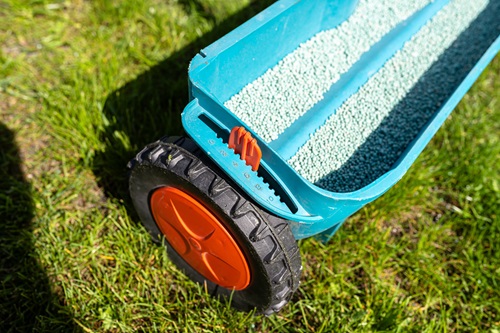
5. Do not forget the fertilizer
Equally, as grass roots need water to last the winter, they likewise benefit from a shot of the plant sugars that safeguard roots from freezing as well as offer the entire plant the energy to recover in the spring. Those sugars are produced by chlorophyll, which the yard generates in abundance when there’s sufficient nitrogen.

Lawn care professionals warn against spreading fertilizer near rivers because they are prone to contamination from runoff.

6. Follow the schedule.
Each of the steps mentioned needs to be done at the correct time for ideal results.  Fertilizing too early as well as the yard will certainly send out tender blades that will certainly get hammered by the cold. Fertilize far too late and also the roots will not absorb all those nutrients you are feeding them.

If you do not have the time to do all these things, entrusting a couple of those chores to a professional throughout this busy season will make sure the job gets done so you can enjoy a lovely and healthy yard next spring.

Start your lawn care project today, you can call Conner’s Lawn Care Service if you need help with your fall lawn care tasks.

Conner’s Lawn Care Service
Myrtle Beach, SC
843-504-4901
http://connerslawncare.com/

Monday, January 24, 2022

Lawn Care Tips For Different Seasons


Regular lawn care and maintenance throughout the year is important for a healthy and green lawn. If you don’t, the grass will become overgrown and it will be susceptible to different kinds of lawn diseases and pest infestation. The care and maintenance needs of your lawn vary depending on the temperatures and that’s why it is important to pay close attention to the season for proper lawn care. Provided below is a guide on how you can take good care of your lawn all throughout the year in Myrtle Beach.

Spring Lawn Care

The spring is one of the busiest time of the year for taking care of the lawn. This season brings sunshine and rainfall for your landscape plants and the entire lawn. It is considered as the major growth season. Plants and flowers produce new bloom, shrubs and trees, produce new leaves, and grass grows much faster.

In spring, your lawn care and maintenance routine should include weeding, lawn mowing, border edging for the sidewalk, driveways, and walkways, cleaning hard surfaces, cleaning up debris and dead winter growth, and more.

Summer Lawn Care

The summer season brings with it dry heat, less rainfall, and the hot sun and that is why lawn care Myrtle Beach is important to protect your lawn.

Lawn mowing on weekly basis is important to stop overgrowth and make sure that the lawn is maintained very well. It prevents your grass from becoming susceptible to lawn diseases and pests that could damage your landscape.

Watering needs to be done every week whether it be from an irrigation system or from rainfall. It should also be deep and infrequent watering than short and frequent sprinkler applications.

Mulching is an affordable and easy way to offer your lawn with several benefits. It creates a protective layer of material on top of the soil that aids in the retention of soil moisture and prevention of weed growth. Organic mulches such as grass clippings, straw, and bark chips naturally decompose and they can assist in improving the conditions of the soil.

Fall Lawn Care

Fall is the best time for you to prepare your lawn for the upcoming winter. Plant and grass growth will start to decline and eventually go dormant. Your grass will still grow but at a much slower rate.

Clean up your landscape and lawn before the cold season arrives. You can hire a lawn care expert to help you. During this season, weak or dead tree branches and limbs will start to fall and then cover your lawn. You have to rake up the wet and dead leaves, and remove any of the dead plants and debris before winter comes. Anything that is left on the lawn could smother your grass and result in bare or dead spots in your landscape.

March is considered to be the most important month when it comes to fertilizing your lawn, but doing so on September and October could help in protecting your landscape and your lawn once the colder season comes.

Early fall is also the best time to plant or reseed new sod. During this time, temperatures will start to cool down a bit, and it is crucial to sod or seed before winter.

You can also stop soil compaction in winter by aerating your lawn during the fall season. Punching tiny holes in the soil will let grass roots and soil to obtain and store the required oxygen, water, and fertilizer throughout the winter months.

Winter Lawn Care

Even though your grass might look a bit browner in the winter, it still requires lawn care and maintenance on a regular basis to survive through the cold weather and create green and new growth during the spring. Even though winter needs a bit less lawn care, you should not ignore your lawn. Concentrate on your winter yard cleanup, lawn care and maintenance, as well as protecting your grass.

Call Conner’s Lawn Care Service if you need the help of an expert in maintaining and caring for your lawn.

Conner’s Lawn Care Service
Myrtle Beach, SC
843-504-4901
http://connerslawncare.com/

Wednesday, December 29, 2021

Winter Lawn Care Tips

The weather has been warm, but, it won’t last forever. Your lawn doesn’t need as much attention in winter as it does during summer, fall, and spring. However, it should still be taken care of and now is the time for winter lawn care. It is still important to maintain your lawn’s health and condition for spring.

Lawn care tips you might find helpful

Fertilize and Aerate

You must aerate your lawn before the first frost date in your area. These tips will help you if you’re new to this or want to remind yourself how it should be done. It will allow your grass to breathe before it goes dormant and help in removing any compaction from the warm season.

After you have mowed the lawn, fertilize it. This will ensure that the grass has all the nutrients it requires to prepare for winter. During winter, the grass roots will absorb and retain the nutrients. Your lawn will then use the stored nutrients when spring arrives, giving it an advantage and restoring its lush green appearance. A well-maintained lawn will help you avoid pests, diseases, and weed growth once the weather warms up.

Keep it clean

It is possible that leaves may have accumulated in your yard from fall, which can cause your lawn to become suffocated before winter. Don’t leave the leaves on your lawn to collect disease, especially if they are too moist. If the leaves aren’t too wet or too thick you can mulch them with your mower to break down the nutrients and recycle them back into your lawn. If the leaves are too thick or wet, you can use your rake to get rid of them.

Avoid too much lawn traffic

Do not walk on lawns that are dormant, or frozen. If the same path is being used multiple times, any strong grass could easily become weak.

Ice Care: Be Wise

To ensure a safe walking path, it is important to keep your walkways, driveways and sidewalks clear of snow and ice. Scotts Ice Melt can be used to treat these areas. Because it has a four-fold melting capability of rock salt, you don’t need to use as much. It can be used only as needed to not damage your lawn or landscape.

Make sure you are prepared

Set up your winter lawn maintenance plan early. You can feel the chill in your air. Make sure to check the forecast regularly and allow yourself enough time to prepare your plan before it is too late.

If you need assistance maintaining your lawn, call Conner’s Lawn Care Service.

Conner’s Lawn Care Service
Myrtle Beach, SC
843-504-4901
http://connerslawncare.com/

Monday, December 20, 2021

Lawn Care Tips For The Colder Weather


 Some people may think that lawn care is the easiest chore in their household with colder weather approaching. If this is you, then you’re mistaken. It is important to keep your outside house in good condition even after the temperatures drop and the leaves start to fall. If you want to make it easier when the snow melts, you need to start the lawn care Conway SC immediately. If you want to avoid any inconveniences when spring arrives, you need to take additional steps now.

Winter Lawn Care Conway SC Tips

Mowing is not a lawn maintenance routine you should stop doing once fall arrives. Keep mowing your lawn until it stops growing. You don’t want tall grass to encourage rodents to build nests in your home during winter.

Do not cut your lawn too short. The recommended height for grass is 2 1/2 to 3 inches. Your lawn will be exposed to cold weather conditions if it is cut too short. This could cause damage to the roots. This will result in dead patches on your lawn when spring arrives.

Once your grass stops growing, cut it one more time. This will reduce the likelihood of your lawn getting snow mould in winter. This can happen if the grass is too long.

Water your lawn – Another early lawn care Myrtle Beach tip for you is to water your lawn enough water to keep it hydrated through winter. Although the lawn may appear brown, new roots will continue growing below the surface all through fall.

Fertilize your lawn regularly – it has many benefits. This yard work helps to repair areas that have been damaged quickly in spring and provides nutrients to help it through winter. Fall is the best time to fertilize your lawn in order to reap the benefits the next year. If you are unable to do it yourself, you can always hire a professional lawn care company.

Rake your lawn. Getting rid of dead leaves will make your lawn look better and ensure that it gets enough sunlight. Raking can also remove thatch, which is a layer between soil and grass that can limit the amount of nutrients and water your grass receives.

Call Conner’s Lawn Care Service now if you need professional help in maintaining your lawn.

Conner’s Lawn Care Service
Myrtle Beach, SC
843-504-4901
http://connerslawncare.com/

Wednesday, December 15, 2021

Network Security: Can Your Business Survive a Cyber Attack?


A number of Twitter accounts have been hacked on July 15 to start a cryptocurrency fraud. Twitter uses a network security level that’s suited for enterprises. So how did hackers get access to these accounts? Twitter claimed that hackers gained access to the accounts by using an internal admin tool. The company tweeted that a “coordinated social engineering attack” was carried out on employees, giving a hacker access to “internal systems and tools.”

Cybercriminals are skilled at exploiting the weaknesses of mobile devices and laptops. Businesses of all sizes are experiencing record-breaking data breaches and interruptions. Is your company able to recover from identity theft, malicious email, or compromised vendor information?

Cybersecurity threats to Network Security

A research by NCSA or National Cyber Security Alliance discovered that:

1) Nearly 50% of SMEs were by a cyberattack.

2) Small businesses are the target of more than 70% of the attacks.

3) After six months, up to 60% of hacked medium and small-sized businesses are bankrupt.

Symantec, which is behind NortonLifeLock security software, monitors cyber threats using a global network with 98+ million sensors. In 2020, it discovered over 375,000,000 new malware combinations, including 98million bots and 1.1billion compromised identities. Surprisingly, 76% of all web sites scanned had vulnerabilities that made them vulnerable to attacks.

Symantec says that “Perhaps the most amazing thing about these numbers is that they no longer surprise me.” Cybercrime is now a regular part of our lives, as real-life and cybercrime are inextricably linked. Cybercrime is so common that attacks on businesses and countries are regularly in the news. We’ve become completely blind to the speed and volume of cyber threats.

Blogs from I.T. companies are a great resource to keep up-to-date on cybersecurity trends and protect your business.

What is a Disaster Recovery Plan?

It is not a question of “if,” it’s a matter “when” your company will be under cyber-attack.

Disaster recovery and backup are two different things. Both serve different purposes to keep your company in operation during a crisis. Backup is the act or making copies of your data. Multiple copies of your data will allow you to quickly access important information in the event of data corruption, accidental deletion, or server problems.

Your I.T. network can be restored to normal after an emergency. A disaster recovery plan will help you do this quickly. Forbes also reports that one third of businesses are at risk due to a lack of a current or adequate managed services plan. FEMA reports that 90 percent of companies without a plan fail after a cyberattack.

Emergencies in Essential Technology

Data disasters can take many forms: hardware and software malfunctions, cybersecurity breaches, natural disasters, and even natural catastrophes. These natural disasters can cause downtime which can result in your company losing money. Gartner estimates that I.T. downtime can cost a company an average $5,600 per hour.

As companies continue to do more work online, it creates more opportunities for data breaches and other cyberattacks–Verizon’s “2019 Data Breach Investigations Report,” 43 percent of breaches involved small businesses. Hackers can use ransomware to prevent access to computers and data, copy your data, or use spyware to steal credit card numbers and passwords using phishing methods.

Will you be prepared if your company is hit with a data catastrophe? Companies need to prepare for the worst by having a disaster recovery and backup plan. These steps will help you to keep your company in control and minimize downtime.

Identify the attack’s scope.

It is essential to have an incident management team that can quickly respond to a cyberattack. To limit damages, it is important to respond quickly. Ponemon Institute research shows that incident response teams have significantly reduced the cost to recover data breaches, which in turn has saved affected companies almost $400,000 annually. These are the most important steps that your company should take.

  • Identify compromised systems.
  • Check IP addresses that have been used in the attack.
  • Determine the kind of cyberattack (e.g. virus, malware or unauthorized access).

Once you have the information about the threat, other network users can be notified immediately. Let them know what kind of attack you are looking for and how to prevent it.

Apply damage control.

Do not panic and close down your entire network. You could miss deadlines, upset customers and cause damage to your reputation. Instead, you should get to work repairing and identifying the problems.

Notify customers and other stakeholders immediately about the attack. It’s better to disclose a data breach immediately than to keep it secret. If the news spreads that you tried to hide a security breach in your company, it could cause serious damage to your business’ integrity.

Quarantine infected computers and impacted applications from the network. You can stop any viruses or malware spreading by identifying the affected systems. The incident response team should also be looking for possible backdoors hackers might have created to gain access to your system in the future. Until you have resolved security issues, close all accounts that may be accessible to vendors, customers, and suppliers.

Secure your network by implementing best practices in cybersecurity and working with IT support professionals.

For access to affected systems, change company-wide passwords. Install clean data backups and software backups. You should ensure that there are no default credentials which could allow hackers to get back in.

Spread the word. Make sure to train your employees on cybersecurity policies and procedures. You should review how to keep passwords secure, avoid sharing your personal information, and avoid downloading emailed links.

Attacks on notebooks and desktops have increased by 132 per cent in 2020, making them the most popular target. It is therefore essential to improve endpoint security. You can protect your company’s data assets by updating insecure, old or obsolete devices with multiple levels of protection.

Cybercrime is a real threat, with estimates putting the annual financial loss to U.S. businesses at $500 million to $1 trillion. It will happen to you. Your company will be at risk if a company as safe as Twitter is attacked by hackers.

Call SpartanTec, Inc. now if you need the help of experts in protecting your business against cybersecurity threats.

SpartanTec, Inc.
Fayetteville, NC 28304
(910) 745-7776
http://manageditservicesfayetteville.com

Serving: Myrtle Beach, North Myrtle Beach, Columbia, Wilmington, Fayetteville, Florence, Charleston

Monday, December 6, 2021

How to Grow a Lawn in Dry Conditions


 In areas that are dry and have limited water resources, lawns are more likely than others to be criticised for their water use. The truth is that most lawns don’t require as much water as homeowners give them. Here are some lawn care tips that will help your lawn thrive in dry conditions and endure droughts.

Lawn Care Tips

Water correctly

Watering correctly is equivalent to watering less when it comes to Conway lawn care. It is essential to remove the lawn’s water addiction and make it more efficient. It is bad practice to water your lawn every morning. This can cause your lawn to need more water each day. Turfgrasses that receive this kind of routine, shallow watering are more likely to develop shallow roots and eventually die. They lose most of the moisture they receive from watering daily. You can gradually train your lawn to reduce the amount of water it receives, and encourage deeper roots to utilize any moisture in the soil. Even grasses that are not water-loving can thrive and survive with less water than they receive during the normal day.

You should water in dry conditions or during drought. It is best to water in the morning, before the sun rises. This evaporates moisture in your landscaping before it can seep into soil. Windy days are also not a good time to water because evaporation can also be faster. A weekly watering under ideal conditions is more effective than a daily shallow watering.

Adapt To Summer heat

Your lawn will be the focal point of family activities in the spring and autumn. Summer heat will require a new approach to yard maintenance and use. This is the best time to reduce foot traffic and cut back on lawn maintenance. Dethatching and aerating must be done in cooler months, not during summer. A higher height of grass will shade the soil and keep the roots cool.

Reduce Stress during Drought

You can train a lawn so it thrives with less water. There are also management methods you can use to help the lawn in drought situations. The most important thing you can do for your lawn is to not go on it. While summer is the best season to reduce foot traffic, it’s possible to eliminate it completely during drought conditions. You can avoid major lawn maintenance during droughts by bringing your pets along for long walks or to the dog park, rather than letting them play on your lawn. Dry, hot weather will make it less necessary to mow your lawn. This will slow down grass growth. It is best to stop mowing during drought conditions, unless absolutely necessary.

You can allow grasses to go dormant in drought. If there are local watering restrictions, make sure you water enough to keep the roots alive. Turf grasses can be left dormant for as long as four weeks without causing permanent damage. If the drought lasts for longer than four weeks, water the turf grass deeply enough to slightly rehydrate it and then wet the soil until it reaches about five inches in depth. This will not cause your grasses or roots to grow greener, but it will keep them alive.

Plant Grasses that are drought-tolerant

There are grass varieties that need minimal watering in both cool and warm season areas. You can reseed or plant a lawn anytime you want. If the grass is not moist enough, you can gradually transform it by top seeding each year with better seeds. Some grass species that are drought-tolerant thrive while others die slowly.

Correctly Mow

Most lawns can be mowed very short. However, in areas with drought or extreme climates, it is important to mow at a higher height. The grass blades hold the most water, so the more time the grass is cut, the more moisture will be available to the roots. Sandy soil drains quickly and makes it more difficult to obtain the moisture you need. You can improve the quality of your lawn by using a mulching mower to mow it or top-dressing the lawn with organic material like compost.

Reduce the Lawn

Many people forget that water is a valuable commodity. It is possible to reduce the area of grass that you have. You can reduce the water needed to sustain grass by adding patios, decks, and courtyards.

Many areas of the country have experienced severe droughts and water shortages. This has led to restrictions, bans and a cultural shift toward conserving water. It is better to reduce the size of your yard if water is scarce. It is okay to keep a lawn if it is needed for pets, kids, or aesthetic reasons. It is important that the area be smaller and easier to maintain.

Look for other groundcovers

The drought-resistant grasses will require more water than any other groundcover species. You should think about converting lawn space to another type of living groundcover if low moisture conditions are permanent and inevitable.

Conner’s Lawn Care can help you with all your lawn maintenance needs.

Conner’s Lawn Care Service
Myrtle Beach, SC
843-504-4901
http://connerslawncare.com/

Thursday, December 2, 2021

Fertilizing and Mulching for Beginners


Mulch can be fertilized on top. However, the success of fertilizing depends on how quickly it decomposes and the type of mulch. You can fertilize the mulch with fast-decomposing mulches like seed hulls and grass clippings before you apply it again each year. This is when most of the mulching from last year will have been removed.

To ensure that organic mulch such as bark and wood mulch is not decomposing too quickly, it’s important to remove mulch from your garden soil before you apply fertilizer.

Granular fertilizers should be used in as close to the ground as possible. Granular fertilizers are most effective when they come into contact with moist soil. This is where they can break down and release their nutrients.

When fertilizing mulch tops, liquid fertilizers are the best option. They will penetrate the mulch and reach the soil below.

Fertilizing and Mulching

When fertilizer is applied to mulch, timing is crucial. You will need to reapply mulch every spring if you are using fast-decomposing mulches like straw, grass clippings or cocoa hulls. It is a good idea to fertilize before you add new mulch. This is because most of the mulch will have been broken down by this time. It is easy to fertilize and then add mulch.

It may be harder to fertilize mulch if it is slow-decomposing, like bark mulch or nuts. You need to choose a liquid fertilizer that penetrates mulch best and helps plants grow.

Apply granular fertilizer or liquid fertilizer to gardens with less than 1/2 inch of mulch left. Then add new mulch. To discourage future weed growth, add at least 2-3 inches of mulch.

Avoid granular fertilizer in gardens or areas where there is a lot of mulch (greater that 1/2 inch). To ensure that you reach all tree and plant roots, use liquid fertilizer.

Fertilizing through Wood Chips

For your lawn care, it is best to remove mulch from plants before fertilizing them with wood chips. This will give you the best results and the most fertilizer for your plants.

It may not always be possible to remove mulch from large gardens to apply fertilizer. The following is a list of things to remember if you have to fertilize with wood chips:

Avoid using granular fertilizer for your landscaping Conway SC. It can get stuck in mulch and won’t break down properly.

Add a liquid fertilizer to the top of the wood chips. After fertilizing, water to soak the fertilizer in the soil.

Make sure to read the instructions for your liquid fertilizer. You may be advised to increase the fertilizer in areas that are mulched.

Mulch Fertilizes the Ground and Soil

Mulch gradually fertilizes the ground by releasing their nutrients. Mulch is a thin layer that gradually turns into compost.

Mulchs can be broken down over time and added nutrients to the soil. This is usually a very good thing. Mulchs that have chemicals or acidic mulches, such as those made from commercial wood mulches, can potentially increase these properties. Be careful when selecting your mulch.

Mulch can increase Nitrogen in the soil?

Mulch does not reduce nitrogen in soil, so don’t believe it. This myth is totally false. This is completely false.

Mulch myths claim that mulches steal nitrogen. This myth is still commonly believed by gardeners who want to use mulch to encourage them to fertilize with more fertilizer. Mulch won’t rob nutrients from your soil. Mulch can absorb some liquid fertilizer, so it is best to remove mulch from your soil before fertilizing.

Is it possible to add compost to Mulch?

It is best to add compost or compost tea directly to your soil. This will give you the most effective and fastest results. There are certain cases when you can add compost to mulch.

For gardens that have less than 1/2 inch of mulch, you can add a layer of compost to the soil, and then cover it with new mulch.

Mulch that is more than 1/2 inch thick in gardens should be removed to make room for compost.

Applying compost on top of a thick mulch layer may not penetrate the soil to feed your plants. It can also become a breeding ground of weeds if left untreated.

Fertilizing on Top of Mulch

Apply fertilizer to mulch when it is less than 1/2 inch thick. Mulch-covered areas should be raked away so that your fertilizer can be applied directly to the soil.

Apply fertilizer to mulch. Water thoroughly after fertilizing. Granular fertilizers work better on top of mulch than those that are liquid.

Call Conner’s Lawn Care Service if you need help in taking care of your lawn.

Conner’s Lawn Care Service
Myrtle Beach, SC
843-504-4901
http://connerslawncare.com/

Is Fertilizer Safe for Kids and Pets?

Many homeowners wonder whether  fertilizers  are safe for children and pets. Questions like “What if my pet eats fertilizer?” or “How soon c...