Monday, June 24, 2024

Lawn Care Tips: When Should You Aerate Your Lawn?


Maintaining a lush, green lawn requires understanding the best times for crucial lawn care tasks like aeration. So, this guide will help you determine when to aerate your lawn for optimal health and beauty.

Lawn Care: Why is Aeration Important?

Lawn aeration is a vital practice for promoting a healthy turf. Moreover, by loosening compacted soil, aeration allows air, water, and nutrients to penetrate deep into the root zone. Additionally, aeration removes thatch—a layer of dead grass and organic material that can suffocate your lawn if it accumulates excessively.

Furthermore, the holes created during aeration facilitate better oxygen and water absorption, fostering new growth and robust root systems. Therefore, maintaining a consistent aeration schedule benefits both existing grass and new plants.

When is the Best Time to Aerate Your Lawn?

Timing is crucial for effective lawn aeration. Generally, the best time to aerate your lawn is in the spring, just as new growth begins to emerge. Furthermore, early aeration supports robust root development and enhances air and water infiltration. Specifically, mid-April to early May is an ideal window for this task, ensuring your lawn remains healthy throughout warm summers and mild winters.

Lawn Care: Types of Equipment for Lawn Aeration

Choosing the right equipment for lawn aeration in Conway SC is essential. So, here are two primary types of aeration tools:

Core Aeration

Core aerators are popular and come in manual and motorized versions. Moreover, manual core aerators use handles with hollow tubes to remove soil cores, facilitating air circulation, water penetration, and fertilizer distribution. Additionally, for larger lawns or tougher soil, motorized core aerators speed up the process and make it easier.

Liquid Aeration

When core aeration isn’t sufficient, liquid aerators offer an alternative. Furthermore, these solutions, typically containing natural ingredients like iron sulfate or humic acid, penetrate the soil without removing cores. Moreover, liquid aerators bring beneficial bacteria and fungi closer to the grass roots, enhancing nutrient absorption.

lawn-care-2-2-300x200.jpgBenefits of Liquid Vs. Core Aeration

Liquid aeration offers several advantages over core aeration. Firstly, it requires less physical effort, eliminating the need to operate heavy machinery or dispose of soil cores. Additionally, liquid aerators can cover larger areas more evenly. Moreover, they are effective on all soil types, including clay, sand, and loam, without damaging the root system. Furthermore, liquid aeration is also environmentally friendly, avoiding soil disturbance and reducing chemical release. Additionally, it is more economical and requires less labor, making it a convenient choice for many homeowners.

How Often Should You Aerate Your Lawn?

Aeration frequency depends on soil type and weather conditions. Typically, aerating once a year suffices for most lawns. However, areas with heavy foot traffic or clay soil may require biannual aeration. Regular aeration enhances water absorption, stimulates root growth, and improves nutrient penetration. Moreover, it helps reduce weed presence by allowing herbicides to reach compacted soil more effectively. Additionally, investing in an aerator machine or hiring a professional lawn care contractor in Conway SC can streamline the process and ensure optimal results.

Lawn Care Tips for Effective Aeration

To maximize the benefits of lawn aeration, consider these tips:

  • Identify Obstacles: So, scout for obstacles like trees or buildings to avoid damaging the aerator.
  • Assess Traffic: Moreover, determine the foot traffic level on your lawn to establish the appropriate aeration frequency.
  • Water Post-Aeration: Additionally, watering your lawn after aeration accelerates recovery and promotes healthy growth.
  • Ensure Coverage: Furthermore, ensure even coverage to prevent patchy areas and promote uniform lawn health.

Aerating your lawn at the right time with the appropriate tools can significantly enhance its health and appearance. Moreover, by understanding the benefits of different aeration methods,  following best practices, and hiring Conner’s Lawn Care Service, you can maintain a vibrant and resilient lawn.

So, are you ready to take your lawn care to the next level? Contact Conner’s Lawn Care Service today to schedule professional aeration services and keep your lawn looking its best year-round!

Conner’s Lawn Care Service
Myrtle Beach, SC
843-504-4901
http://connerslawncare.com/

Thursday, June 20, 2024

Summer Lawn Care Tips: Keeping Your Lawn Hydrated


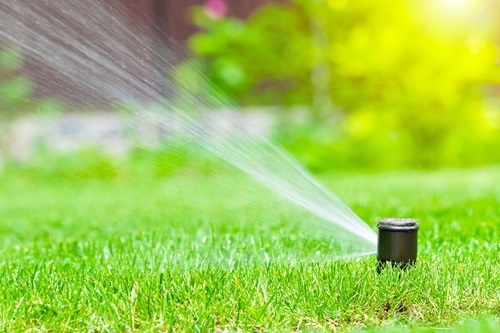
Maintaining a green, healthy lawn during the summer can be quite a challenge. Many homeowners tend to overwater in an attempt to keep their grass hydrated, which can lead to problems like disease or drought stress. Proper watering practices are essential to ensure your lawn stays vibrant and robust throughout the hottest months. So, here are some lawn care tips on how to achieve that perfect balance.

Summer Lawn Care Tips

Assessing Your Lawn’s Water Needs

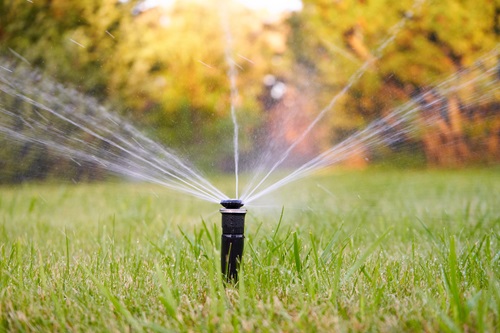
Every lawn has specific watering requirements, typically needing about 1 inch of water per week, including rainfall. To accurately measure this, place small containers, such as tuna cans, around your lawn and run your sprinkler system. Once these containers collect about an inch of water, you’ll know you’ve provided the right amount. It’s important to remember that different areas of your lawn might require slight adjustments for even coverage.

Best Time to Water Your Lawn

Watering your lawn early in the morning is ideal when it comes to lawn maintenance in Conway SC. This timing allows the grass to absorb water before the heat of the day, reducing evaporation and helping prevent diseases by minimizing the time grass blades remain wet. Morning watering sessions promote deep root growth, making your lawn more drought-resistant and healthier overall.

Determining Watering Frequency

Generally, watering your lawn once or twice a week should be sufficient. However, this frequency depends on several factors, including your soil type and the efficiency of your irrigation system. Conducting an irrigation audit will help you determine how much water your system delivers, allowing you to adjust the frequency and duration of your watering sessions accordingly.

Adjusting Watering Duration

The duration of your watering sessions can significantly impact your lawn’s health. Typically, watering for 25-30 minutes is effective, but this can vary based on the following factors:

Soil Type: Sandy soils drain quickly and may require longer watering periods, while clay or loamy soils retain water longer and might need shorter sessions to prevent waterlogging.

Irrigation System Efficiency: The output of your sprinkler system will determine how long you need to water to achieve the desired depth. An irrigation audit can help you understand your system’s efficiency.

landscaping-2-300x200.jpgSigns Your Lawn Needs More Water

Recognizing when your lawn needs more water is crucial for maintaining its health. Symptoms of drought stress include thinning, yellowing, or browning grass, and slower growth. Some drought-tolerant grasses might go dormant to conserve water, but others can suffer significant damage if underwatered.

It’s essential to differentiate between drought stress and disease, as both can cause similar symptoms. Disease often presents as irregular, circular patches with dead centers and lighter edges. Checking soil moisture can help you identify if the problem is due to drought (dry soil) or overwatering (damp soil).

Cooling Your Lawn Naturally

As summer temperatures rise, it’s tempting to increase watering frequency. However, overwatering can promote disease, especially in shaded areas. Instead, consider using natural methods to keep your lawn cool. Adding a light layer of top dressing, such as compost, can provide shade and reduce soil temperature. Be cautious, though, as too much top dressing can smother the grass. Moderation is key to preventing overheating and ensuring your lawn receives adequate sunlight and air.

Special Lawn Care for New Sod

Watering newly installed sod requires a different approach compared to established lawns. Here’s a suggested schedule to ensure proper hydration and root development:

  • 1-9 Days: Water twice daily, in the morning and evening.
  • 10-12 Days: Water once daily.
  • 13-15 Days : Water every other day.
  • 16 Days and onwards: Transition to providing 1 inch of water per week, similar to an established lawn.

Be vigilant for signs of disease, especially in shady areas where fungus can spread. Overwatering can exacerbate disease issues, so monitor new sod carefully and adjust watering as needed.

Avoiding Common Watering Mistakes

Proper lawn care in Conway SC extends beyond just the right amount of water. Here are some common mistakes to avoid:

  • Overwatering: Can lead to shallow root systems and increased disease risk.
  • Watering in the Evening: Prolongs wet conditions, encouraging fungal growth.
  • Ignoring Soil Type: Different soils have different water retention capabilities.

By avoiding these mistakes, you can ensure your lawn remains healthy and resilient throughout the summer.

Achieving a healthy, vibrant lawn during the summer requires a strategic approach to watering. By understanding your lawn’s water needs, choosing the right time to water, and adjusting the frequency and duration of watering sessions, you can maintain a lush, green lawn all summer long. Monitor your lawn for signs of stress or disease, and make adjustments as needed to keep it in top condition. Work with experts like Conner’s Lawn Care Service.

Ready to enjoy a beautiful lawn this summer? Start implementing these tips today and watch your lawn thrive through the hottest months! Call Conner’s Lawn Care Service now.

Conner’s Lawn Care Service
Myrtle Beach, SC
843-504-4901
http://connerslawncare.com/
Friday, June 14, 2024

Mulching: The Essential Gardening Practice You Shouldn’t Ignore


Gardening enthusiasts and professionals alike understand the importance of maintaining healthy soil and promoting plant growth. Moreover, one practice that stands out for its numerous benefits is mulching. So, let’s delve into what mulching is, why it’s essential, and how you can effectively incorporate it into your lawn care routine.

What is Mulching?

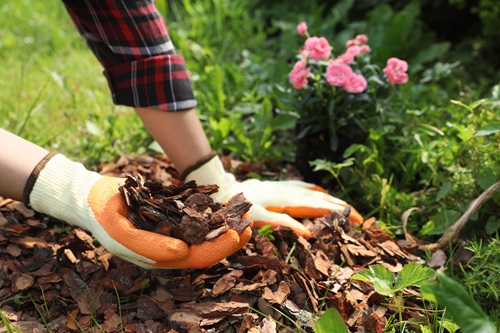
Meanwhile, mulching involves covering the soil surface around plants with a layer of material. These materials can be organic, such as wood chips, straw, grass clippings, and compost, or inorganic, like plastic sheeting, gravel, or landscape fabric. And each type of mulch serves different purposes and offers unique benefits to the garden.

Benefits of Mulching

1. Moisture Retention

For starters, mulching can help retain soil moisture. Mulch also serves as a barrier, minimizing evaporation and keeping the soil moist for longer periods. So, this is especially beneficial during hot and dry seasons, helping your plants stay hydrated and reducing the frequency of watering.

2. Weed Suppression

Next is weed suppression. Weeds compete with your plants for nutrients, water, and light. Mulching effectively suppresses weed growth by blocking sunlight from reaching the soil surface. Therefore, fewer weeds will germinate, and the few that do can be easily removed. Moreover, less time spent weeding means more time enjoying your garden.

3. Temperature Regulation

Mulch helps in regulating soil temperature, keeping it cooler in the summer and warmer in the winter. This temperature moderation creates a more stable environment for plant roots. So, your plants will be less stressed by extreme temperature fluctuations, promoting healthier growth.

4. Soil Improvement

Meanwhile, organic mulches decompose over time, adding valuable nutrients and organic matter to the soil. This decomposition improves soil structure, enhances fertility, and promotes beneficial microbial activity. So, by enriching the soil, mulch contributes to healthier plants and more bountiful harvests.

5. Erosion Control

Furthermore, mulch protects the soil from erosion caused by wind and rain. By covering the soil surface, mulch reduces the impact of raindrops and water runoff, preventing soil particles from being washed away. Therefore, your garden retains its valuable topsoil, which is essential for plant health.

6. Aesthetic Appeal

In addition to its functional benefits, mulch adds a finished look to your garden. Different types of mulch can enhance the visual appeal of your landscape, providing a neat and uniform appearance. So, whether you prefer the natural look of wood chips or the vibrant color of dyed mulches, there’s an option to suit your aesthetic preferences.

mulching-300x225.jpgTypes of Mulch

Organic Mulch

1. Wood Chips and Bark: These are among the most popular mulches for their longevity and appearance. They break down slowly, providing long-term benefits to the soil. Moreover, they are excellent for garden beds and around trees and shrubs.

2. Straw and Hay: These mulches are great for vegetable gardens and flower beds. They decompose faster than wood chips, adding organic matter to the soil relatively quickly. Additionally, straw and hay are effective in keeping soil temperatures stable.

3. Grass Clippings: Fresh grass clippings are readily available and can be used as mulch. However, they should be applied in thin layers to prevent matting and to allow them to decompose properly. Furthermore, grass clippings are rich in nitrogen, which is beneficial for plant growth.

4. Compost: Compost is a nutrient-rich mulch that enhances soil fertility. It improves soil structure, promotes microbial activity, and provides a slow-release source of nutrients for plants. So, using compost as mulch is an excellent way to recycle organic waste from your garden and kitchen.

Inorganic Mulch

1. Plastic Sheeting: Plastic mulch is often used in commercial agriculture for weed control and moisture retention. It’s effective in warming the soil in early spring, promoting faster plant growth. However, it doesn’t add any nutrients to the soil and needs to be removed and replaced periodically. You can consider including this in your lawn care in Conway SC.

2. Gravel and Stone: These mulches are ideal for areas where low maintenance is desired. They are long-lasting and excellent for controlling erosion. However, they don’t provide the same soil benefits as organic mulches and can make soil temperature regulation more challenging.

3. Landscape Fabric: This material is often used under other types of mulch to enhance weed suppression. It allows water and air to penetrate the soil while preventing weed growth. So, it’s particularly useful in garden beds and pathways.

How to Apply Mulch

Preparation

Before applying mulch, it’s essential to prepare the soil. So, remove any existing weeds and water the soil thoroughly. If using organic mulch, consider adding a layer of compost to provide additional nutrients.

Application

Also, spread mulch evenly around plants, making sure to leave some space around the stems to prevent rot. For most types of mulch, a layer of 2-4 inches is sufficient. Thicker layers may be necessary for coarse materials like wood chips.

Lawn Maintenance

Over time, organic mulches will break down and need to be replenished. Check the mulch layer periodically and add more as needed to maintain the desired thickness. Additionally, keep an eye out for any weeds that manage to sprout and remove them promptly.

Remember, mulching is an essential lawn maintenance practice that offers numerous benefits, from moisture retention and weed suppression to soil improvement and erosion control. By choosing the right type of mulch and applying it correctly, you can enhance the health and appearance of your garden. So, don’t overlook this simple yet effective technique.

Start mulching today and enjoy a more vibrant, productive, and beautiful garden. Call Conner’s Lawn Care Service now. 

Conner’s Lawn Care Service
Myrtle Beach, SC
843-504-4901
http://connerslawncare.com/

Tuesday, June 11, 2024

Landscaping Tips for Preparing Your Lawn This Summer


Spring has arrived, and it’s time to prepare your lawn for the hot summer days ahead. Whether you have a simple yard with grass and shrubs or a more elaborate garden with flowers and carefully designed landscaping, the last thing you want is for the summer heat to undo all your hard work.

Factors Affecting Spring Landscaping

Several factors can impact your lawn and make it difficult to manage. And fungal growth can cause infections in your plants, while waterlogging from recent rains can lead to root rot. Moreover, ground moles can wreak havoc by tunneling through your lawn. However, there are several steps you can take to boost the health and productivity of your lawn.

Spring Landscaping Tips to Prepare Your Lawn for Summer

1. Clear Debris

First, clear away all the debris left behind from winter. This includes fallen branches, unwanted seeds, and leaves around bushes and in your garden. Additionally, removing this debris will prevent it from choking your plants and hampering their growth.

2. Prune Trees and Bushes

Spring is an ideal time to prune your trees and bushes. Moreover, remove any branches damaged over the winter or during spring storms. Proper pruning not only improves the look of your yard but also encourages healthy growth. Furthermore, ensure you use sharp pruning shears to avoid damaging the plants. If you have extensive growth, consider hiring a professional lawn care service for this task to avoid potentially harming your plants.

mulching-300x200.jpg3. Apply Mulch

Mulching is crucial for summer heat. It helps retain moisture, reducing evaporation, and keeps your landscaping fresh and healthy. Moreover, over time, mulch decomposes and forms humus, which fertilizes the soil. By retaining moisture at the base of your plants and shrubs, mulching supports their growth and development during the hot summer months.

4. Address Ground Moles

Ground moles can be a significant problem as summer progresses. So, if you notice mounds in your lawn or yellowing grass, it’s a sign of mole activity. While there are many DIY remedies, they often don’t provide a permanent solution. Therefore, the most effective method is to call a pest control company that can trap and remove the moles.

5. Fertilize Your Lawn

To prepare your lawn for the summer heat, aerate the soil and apply the appropriate fertilizer. Many homeowners prefer organic fertilizers made from decomposed plant and animal matter, which are gentle on plants.

Alternatively, you can use liquid fertilizers that penetrate the soil and deliver nutrients effectively. Additionally, consulting a landscaping professional like Conner’s Lawn Care Service can ensure you use the right fertilizer for your region’s climate and soil conditions.

6. Fill Bare Spots and Control Weeds

Now is the time to fill bare spots in your lawn and garden with fresh seeds. Moreover, remove any weeds that have started to appear to prevent them from taking over and threatening your plants. Furthermore, this is also an excellent opportunity to have your yard treated for mosquitoes, making outdoor entertaining more comfortable for you and your guests.

Enjoy Your Lawn Year-Round

By taking the time to prepare your lawn now, you can enjoy a beautiful and healthy yard all year long. So, clear debris, mulch, prune bushes, and fertilize to get your lawn ready for summer.

If this sounds like more work than you want to take on, consider hiring a professional lawn care service in Conway SC to help you get your lawn in top shape for the summer.

So, get your lawn summer-ready today with expert landscaping services. Book Conner’s Lawn Care Service now and enjoy a lush, healthy yard all season long!

Conner’s Lawn Care Service
Myrtle Beach, SC
843-504-4901
http://connerslawncare.com/
Friday, June 7, 2024

Summer Lawn Care Tips: Keeping Your Lawn Healthy During the Heat


As summer arrives, we all look forward to fun outdoor activities and relaxing in the sun. And, while you’re enjoying the season, your lawn is facing some serious challenges. High temperatures, intense sunlight, and increased foot traffic can stress your grass, making it difficult to maintain that lush, green appearance. However, with the right lawn care, you can keep your lawn healthy and vibrant throughout the summer months.

Lawn Care Tips For Summar

1. Water Wisely

It’s tempting to water your lawn frequently, especially when the heat is intense. However, over-watering can lead to shallow root growth and other issues. So, it’s important to water deeply and less often to encourage roots to grow deeper. Early morning is the best time to water, as the cooler temperatures allow water to soak into the soil rather than evaporating. Additionally, watering in the morning helps prevent fungal growth, which can be problematic in humid conditions.

2. Fertilize Appropriately

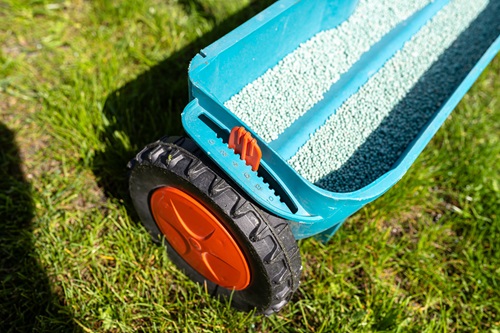
Your lawn needs nutrients to stay healthy, and summer is a crucial time for fertilization. A good fertilizing schedule includes three treatments during the growing season: one in mid-spring, another in early summer, and the final one in late summer. Moreover, using a mix of quick-release and slow-release fertilizers can provide immediate nutrients and sustained feeding over time. Furthermore, this balanced approach helps your grass withstand the stress of summer heat and maintain its vibrant color.

weed-control-2-300x225.jpg3. Control Weeds Effectively

Weeds can quickly take over your lawn if not managed properly. And, summer is a prime time for weeds to thrive, as they compete with your grass for water and nutrients. Implementing a weed control plan that includes pre-emergent treatments in the spring, broadleaf applications, and spot treatments throughout the summer can help keep weeds at bay. Besides, regular monitoring and timely intervention are key to preventing a weed infestation.

4. Mow Correctly

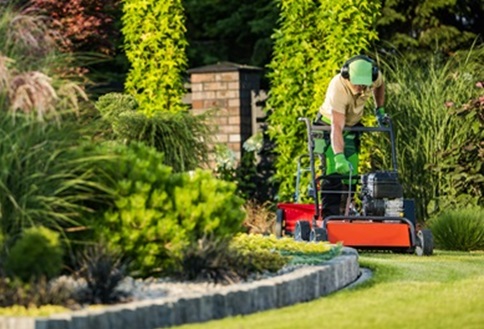
How you mow your lawn can significantly impact its health. Cutting your grass too short can stress it, especially during hot weather. So, aim to mow your lawn to a height of about 3 inches. Moreover, this height allows the grass to develop a strong root system and retain moisture better. Furthermore, keeping your mower blades sharp ensures a clean cut, which reduces the risk of disease and pest problems. Dull blades can tear the grass, making it more susceptible to damage.

5. Watch for Signs of Lawn Fungus

Summer heat and humidity create ideal conditions for lawn fungi to thrive. And, these fungal diseases can spread rapidly, causing brown patches and other damage. Regularly inspect your lawn for signs of fungus, such as discolored spots or unusual growth patterns. If you notice any issues, applying a fungicide can help control the problem. Additionally, maintaining proper lawn care in Conway SC, like correct watering and mowing, can prevent fungal outbreaks.

6. Aerate and Overseed

Aerating your lawn helps prevent soil compaction and promotes healthier root growth. Then, overseeding, or spreading grass seed over your existing lawn, can help fill in bare spots and improve the overall density of your grass. Moreover, aerating and overseeding in late summer or early fall can prepare your lawn for the next growing season.

Keeping your lawn healthy during the summer heat requires a combination of proper watering, fertilizing, weed control, mowing, and monitoring for pests and diseases. So, by following these tips and hiring experts from Conner’s Lawn Care Service, you can ensure your lawn remains lush and green throughout the season, providing a beautiful backdrop for all your summer activities.

Ready to take your lawn care to the next level? Contact Conner’s Lawn Care Service today to create a customized plan that keeps your lawn healthy and beautiful all summer long. Then, enjoy a vibrant lawn without the hassle!

Conner’s Lawn Care Service
Myrtle Beach, SC
843-504-4901
http://connerslawncare.com/

Monday, June 3, 2024

Tips for Summer Landscaping and Lawn Care


Summer can be particularly challenging for maintaining a lush, green lawn. And with high temperatures, intense sunlight, and sporadic rainfall, your grass can stress and leave it looking less than its best. So, to help you navigate these hot months, here are some unique and effective landscaping strategies to keep your lawn healthy and vibrant.

Landscaping and Lawn Care Tips

Watering Wisely

Efficient watering is vital during the summer months. And watering your lawn early in the morning is better because the temperatures are cooler, and evaporation is minimal. This practice in lawn care in Conway SC ensures that the water reaches deep into the soil, promoting strong root growth.

Moreover, deep, infrequent watering is preferable as it encourages roots to grow deeper, making your lawn more resilient during drought conditions. On the other hand, overwatering can lead to issues such as fungal growth and root rot, so it’s important to strike the right balance.

Mulching Grass Clippings

Consider mulching grass clippings instead of bagging them. As they quickly decompose, they return valuable nutrients to the soil. Furthermore, this natural recycling process helps retain soil moisture and shields the grass roots from the harsh sun. To prevent clippings from forming a dense mat on the lawn surface, ensure they are evenly distributed. Additionally, if necessary, make an extra pass with your mower to further break down and spread the clippings.

lawn-care-1-1-300x185.jpgAdjusting Mowing Height

During the hot summer months, it’s wise to raise the cutting height of your mower. And taller grass provides more shade for the soil, which helps retain moisture and encourages deeper root growth. Setting your mower to a height of around 3-3.5 inches will help your lawn withstand the stress of high temperatures better than shorter grass, which can dry out and turn brown more quickly.

Minimizing Mowing and Foot Traffic

During periods of extreme heat, try to minimize mowing and limit foot traffic on your lawn. Mowing, particularly during the hottest parts of the day, can stress your grass and lead to damage. So, if you must mow, do so in the early morning or late evening when temperatures are cooler. Moreover, reducing foot traffic will also help prevent compacting the soil and damaging the grass, which is especially vulnerable during heatwaves.

Aerating the Lawn

Aeration is a beneficial practice that involves perforating the soil with small holes to allow air, water, and nutrients to penetrate the grass roots. Additionally, this process helps the roots grow deeply and produces a stronger, more vigorous lawn. Aerating your lawn annually, preferably in the cooler months, can greatly improve its resilience during summer. Furthermore, pairing aeration with overseeding can also help thicken your lawn and provide additional shade to the soil.

Smart Fertilization Practices

Fertilizing your lawn during summer requires a careful approach. And quick-release fertilizers can cause rapid growth, increasing your lawn’s water needs at a time when water may be scarce. So, opt for slow-release or organic fertilizers that provide a steady supply of nutrients without overwhelming the grass. This helps maintain healthy growth without exacerbating heat stress.

Caring for your lawn during the summer requires a thoughtful approach to watering, mowing, and maintenance practices. So, by adopting these strategies and hiring experts from Conner’s Lawn Care Service, you can ensure your lawn stays green, healthy, and beautiful even in the face of scorching summer temperatures.

Ready to keep your lawn looking its best? Start implementing these landscaping tips today and enjoy a lush, green lawn all season long! Call Conner’s Lawn Care Service now. 

Conner’s Lawn Care Service
Myrtle Beach, SC
843-504-4901
http://connerslawncare.com/
 

Tuesday, May 28, 2024

Effective Weed Control Tips for a Beautiful Lawn and Garden


Maintaining a lush, beautiful lawn and garden requires consistent effort, especially when it comes to controlling weeds. These pesky invaders not only mar the appearance of your outdoor space but also compete with your plants for nutrients, water, and sunlight. Moreover, effective weed control involves a combination of preventive measures and active removal strategies. In this blog, we’ll explore some essential tips to help you keep your lawn and garden weed-free.

Understanding Weeds

Firstly, it’s important to understand that weeds are simply plants growing in places where they are not wanted. Furthermore, they can be classified into three main types: broadleaf weeds, grassy weeds, and sedges. Knowing what type of weed you’re dealing with can help you choose the most effective control method. Additionally, weeds can spread quickly through seeds, roots, or runners, making early intervention crucial.

Preventive Measures

So, how can you prevent weeds from taking over your lawn and garden? Here are some preventive measures:

Healthy Lawn Maintenance: A thick, healthy lawn is your first line of defense against weeds. Moreover, mowing your lawn regularly at the correct height promotes dense grass growth that crowds out weeds. Additionally, ensure your lawn receives adequate water and nutrients.

Mulching: Adding a layer of mulch in your garden beds helps suppress weed growth by blocking sunlight. Furthermore, mulch retains soil moisture and adds organic matter as it decomposes.

Soil Improvement: Healthy soil fosters robust plant growth, which can outcompete weeds. Regularly amend your soil with compost and organic matter to improve its structure and fertility.

Proper Plant Spacing: Planting your flowers and vegetables closely together can shade the soil, reducing the chances of weed seeds germinating. Likewise, ground covers can be used to fill in bare spots and prevent weed establishment.

weed-control-2-300x225.jpgActive Weed Control Methods

Despite your best efforts, weeds can still find their way into your garden. Therefore, having a strategy for active weed control is essential. Here are some effective methods:

HAND WEEDING:

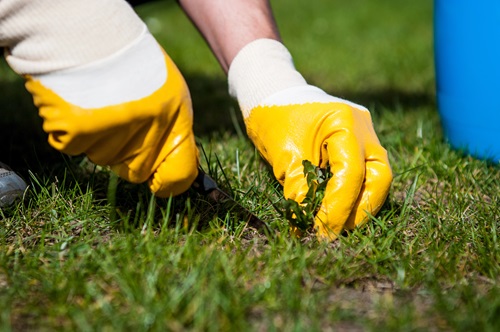
Pulling weeds by hand is a simple and effective method, especially for small gardens. Make sure to remove the entire root to prevent regrowth. It’s easier to pull weeds after rain when the soil is moist.

HOEING:

Using a hoe to cut weeds off just below the soil surface is another effective method. This is particularly useful for larger areas. Regular hoeing can prevent weeds from becoming established.

WEED BARRIERS:

Installing landscape fabric or plastic sheeting under mulch can provide an additional layer of protection. These barriers prevent weed seeds from accessing the soil.

HERBICIDES:

While chemical herbicides can be effective, they should be used as a last resort due to potential environmental and health risks. Selective herbicides target specific weeds without harming desired plants, whereas non-selective herbicides kill any plant they come into contact with. Always follow the manufacturer’s instructions carefully.

NATURAL ALTERNATIVES:

Vinegar, boiling water, and corn gluten meal are some natural alternatives that can help control weeds. While these methods may not be as effective as chemical herbicides, they are safer for the environment.

Timing is Everything

So, when is the best time to tackle weeds? The answer is early and often. Here are some timing tips:

  • Early Spring: Applying pre-emergent herbicides in early spring can prevent weed seeds from germinating. Additionally, this is a good time to pull any young weeds before they become established.
  • After Rain: As mentioned earlier, it’s easier to pull weeds when the soil is moist. Plan your weeding sessions for the day after a good rain.
  • Regular Maintenance: Make weeding a regular part of your lawn care routine. Spending a few minutes each week pulling weeds can prevent them from becoming a bigger problem.

Maintaining a weed-free lawn and garden requires a combination of preventive measures and active control methods. By understanding the types of weeds you’re dealing with and implementing these tips, you can enjoy a beautiful, healthy outdoor space. Additionally, regular lawn maintenance in Conway and timely intervention are key to keeping weeds at bay.

Are you ready to take control of your garden? Start implementing these weed control tips today and enjoy a lush, beautiful lawn and garden all season long! Call Conner’s Lawn Care Service now. 

Conner’s Lawn Care Service
Myrtle Beach, SC
843-504-4901
http://connerslawncare.com/

Is Fertilizer Safe for Kids and Pets?

Many homeowners wonder whether  fertilizers  are safe for children and pets. Questions like “What if my pet eats fertilizer?” or “How soon c...